HEADLINE
Global Influencers Spark Debate by Attending Iranian Supreme Leader Ali Khamenei's Funeral
OPENING HOOK
In an unusual convergence of digital media and international politics, a number of social media influencers recently travelled to Iran to attend the state funeral of the nation's late Supreme Leader, Ali Khamenei, openly expressing their 'honour' at the invitation. This development has sparked a crucial conversation about the role of online personalities in sensitive geopolitical events and the ethics of public endorsement.
WHAT HAPPENED
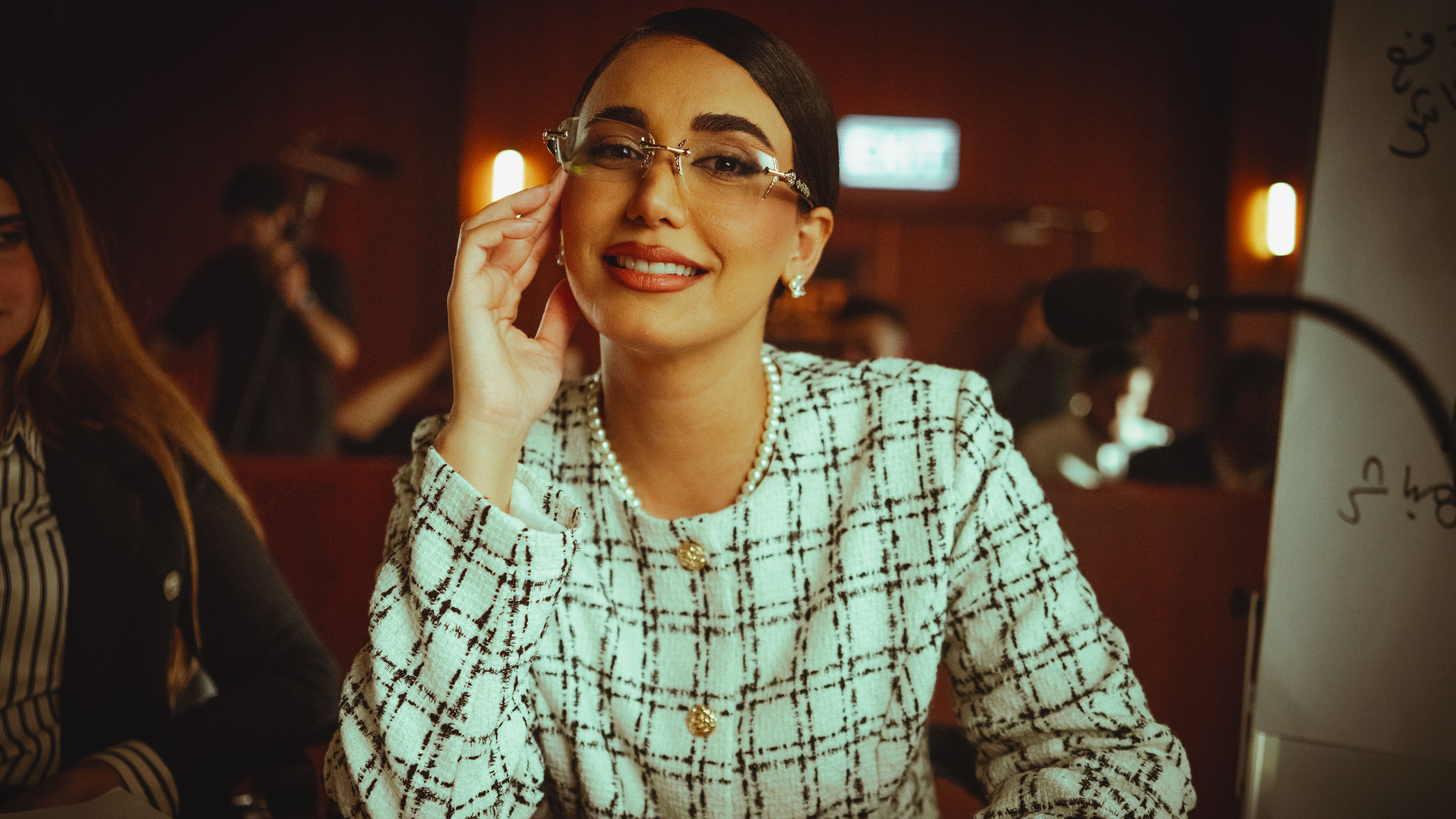
Several individuals, widely recognized as social media influencers for their significant online following and content creation, were present at the state funeral ceremonies for Iran's Supreme Leader Ali Khamenei. Following their attendance, some of these influencers took to their respective platforms to share their experiences and sentiments, often remarking on the honour of participating in such a significant national event for the Islamic Republic of Iran.
WHO ARE THE KEY PLAYERS
**Ali Khamenei:** The deceased figure, Ali Khamenei, served as the second Supreme Leader of Iran from 1989 until his passing. In Iran's unique political system, the Supreme Leader is the highest religious and political authority, holding ultimate power over state policy, military, and judiciary. He was a pivotal figure in shaping modern Iran's trajectory.
**Social Media Influencers:** These are individuals who have cultivated a substantial following on platforms like Instagram, TikTok, and X (formerly Twitter). They typically leverage their audience to promote products, lifestyles, or ideas. Their presence at a state funeral, particularly one of such geopolitical significance, highlights their growing, albeit sometimes controversial, role in public discourse and perception management.
**The Iranian Government:** The government of the Islamic Republic of Iran, which extended the invitations and orchestrated the state funeral, is implicitly a key player. This move can be seen as an effort to shape international perception and project an image of legitimacy and global engagement.
UNDERSTANDING THE LOCATION
**Iran:** Officially known as the Islamic Republic of Iran, this Middle Eastern nation holds significant geopolitical importance due to its strategic location, vast oil and gas reserves, and its unique theocratic political system. It is a country with a rich history and culture, but also one often at the centre of international scrutiny due to its policies and regional influence.
**Tehran:** The capital city of Iran, Tehran, is where the primary funeral ceremonies and public mourning events for the Supreme Leader would have taken place. As the political and cultural heart of the nation, it is the focal point for major national events.
BACKGROUND AND CONTEXT
State funerals are solemn events typically reserved for heads of state or highly revered national figures. They serve not only as a period of national mourning but also as a demonstration of national unity and a projection of the state's power and legitimacy, both domestically and internationally. For Iran, a nation often portrayed in a negative light by Western media, inviting international figures, including influencers, could be interpreted as a strategic communication effort to counter prevailing narratives and foster a more nuanced global perception.
Historically, states have always sought to influence public opinion abroad. In the digital age, social media influencers have emerged as potent tools for 'soft power' – the ability to attract and co-opt rather than coerce. Their endorsement, even if implicitly, can lend a veneer of normalcy or even admiration to a nation or its leadership, bypassing traditional media filters.
EXPLAINING IMPORTANT REFERENCES
**Supreme Leader:** In the context of Iran, the Supreme Leader is not merely a ceremonial head but the ultimate spiritual and political authority. This position, established after the 1979 Islamic Revolution, is held for life and wields immense power, overseeing all major governmental decisions and institutions, including the military and judiciary. It's a unique role combining religious scholarship with absolute state power.
**Social Media Influencers:** These are individuals who have built credibility and an audience in a specific niche on social media. Their power lies in their perceived authenticity and direct connection with their followers, which can be leveraged for various purposes, from marketing products to influencing opinions on social or political issues. Their attendance at a state funeral of this magnitude signifies a recognition of their reach and potential impact on public perception.
**State Funeral:** A public funeral ceremony, often with full military honours, held to mourn and commemorate a head of state or a person of national significance. It is a highly symbolic event, typically involving extensive media coverage and diplomatic representation, designed to affirm national identity and continuity.
IMPACT ANALYSIS
The presence of social media influencers at Ali Khamenei's funeral carries several implications. Firstly, it highlights the growing trend of states utilizing non-traditional media figures for public relations and diplomatic outreach. This can be a cost-effective way to bypass traditional journalistic scrutiny and deliver messages directly to a global audience, particularly younger demographics who consume news primarily through social media.
Secondly, for the influencers themselves, such invitations raise ethical questions. While some may view it as an opportunity for cultural exchange or a unique travel experience, others might perceive it as an implicit endorsement of a regime with a complex human rights record and strained international relations. This could lead to a backlash from their followers or criticism from human rights organizations and media watchdogs, forcing influencers to navigate the fine line between personal travel and political alignment.
Finally, for Iran, this move could be seen as an attempt to project an image of international acceptance and legitimacy, challenging the narratives often presented by Western media. By engaging with influencers, Iran aims to cultivate a more favourable global image, particularly among younger, digitally-savvy audiences.
WHAT HAPPENS NEXT
Following the funeral, attention will inevitably turn to the succession process for the Supreme Leader in Iran, a critical internal matter with significant regional and international ramifications. For the influencers involved, the debate around their attendance is likely to continue, prompting discussions within the influencer community and among their audiences about the responsibilities that come with their platforms. Media organizations and civil society groups will likely continue to scrutinize such engagements, advocating for greater transparency and ethical considerations when influencers participate in politically charged events. This trend of states engaging digital personalities is expected to grow, making critical analysis of such interactions even more vital.
HERO PERSPECTIVE
Leverage On Heroes Media believes that in an increasingly interconnected world, the lines between entertainment, information, and political influence are becoming dangerously blurred. Our editorial angle emphasizes the critical need for transparency and ethical accountability from all public figures, especially social media influencers, when engaging with state actors. We call upon influencers to recognize the profound impact of their platforms and to exercise due diligence and critical thought before lending their 'honour' or presence to events that carry significant geopolitical weight, ensuring their audiences are fully aware of the context and potential implications.
CLOSING
The attendance of social media influencers at the state funeral of Iran's Supreme Leader Ali Khamenei is more than just a fleeting news item; it is a potent symbol of the evolving landscape of global communication and influence. As nations increasingly seek to shape narratives through non-traditional channels, the responsibility falls on both the content creators and their audiences to critically assess the messages being conveyed and the agendas they may serve.