HEADLINE
Iran Prepares for Supreme Leader's Funeral, Anticipating Thousands of Casualties
OPENING HOOK
The Islamic Republic of Iran is reportedly undertaking extraordinary measures in anticipation of the eventual funeral of its current Supreme Leader, Ayatollah Ali Khamenei. These preparations include the establishment of specialized units and the readiness of thousands of new graves, signaling an alarming expectation of significant loss of life during the anticipated mass gathering.
WHAT HAPPENED
Reports indicate that Tehran municipal authorities have initiated comprehensive plans for the funeral of Supreme Leader Ali Khamenei, specifically preparing for up to 3,000 deaths. These arrangements include the creation of a dedicated unit to manage the dead and missing, alongside the preparation of thousands of new burial plots at the city’s vast Behesht-e Zahra cemetery. Such extensive pre-emptive measures underscore the Iranian authorities' awareness of the potential scale and risks associated with such a momentous national event.
WHO ARE THE KEY PLAYERS
**Ayatollah Ali Khamenei:** He is the current and second Supreme Leader of Iran, a position he has held since 1989. The Supreme Leader is the highest political and religious authority in the Islamic Republic, holding ultimate power over all major state policies, the armed forces, and the judiciary. His death would trigger a significant political and religious transition.
**Tehran Municipal Authorities:** These are the local government bodies responsible for the administration and services of Tehran, Iran's capital city. Their responsibilities include urban planning, public safety, emergency services, and the management of public facilities like cemeteries. Their involvement in these preparations highlights the logistical and public safety aspects of the anticipated funeral.
**Iranian Government and State Apparatus:** This encompasses the various branches of the Iranian state, including the military, security forces, and religious institutions, all of whom would play a crucial role in managing the succession process and ensuring stability during and after the Supreme Leader's funeral.
UNDERSTANDING THE LOCATION
**Iran:** A country in Western Asia, officially known as the Islamic Republic of Iran. It is a nation with a rich history, a predominantly Shia Muslim population, and a unique political system where ultimate authority rests with the Supreme Leader.
**Tehran:** The capital city of Iran, and its largest urban center. Tehran is the political, economic, and cultural heart of the country, housing key government institutions and a significant portion of Iran's population.
**Behesht-e Zahra Cemetery:** This is the largest cemetery in Iran, located in the southern part of Tehran. It holds immense national and religious significance, serving as the resting place for many martyrs of the Iran-Iraq War and notably, Ayatollah Ruhollah Khomeini, the founder of the Islamic Republic of Iran. Its vast size makes it the logical site for accommodating a large number of burials.
BACKGROUND AND CONTEXT
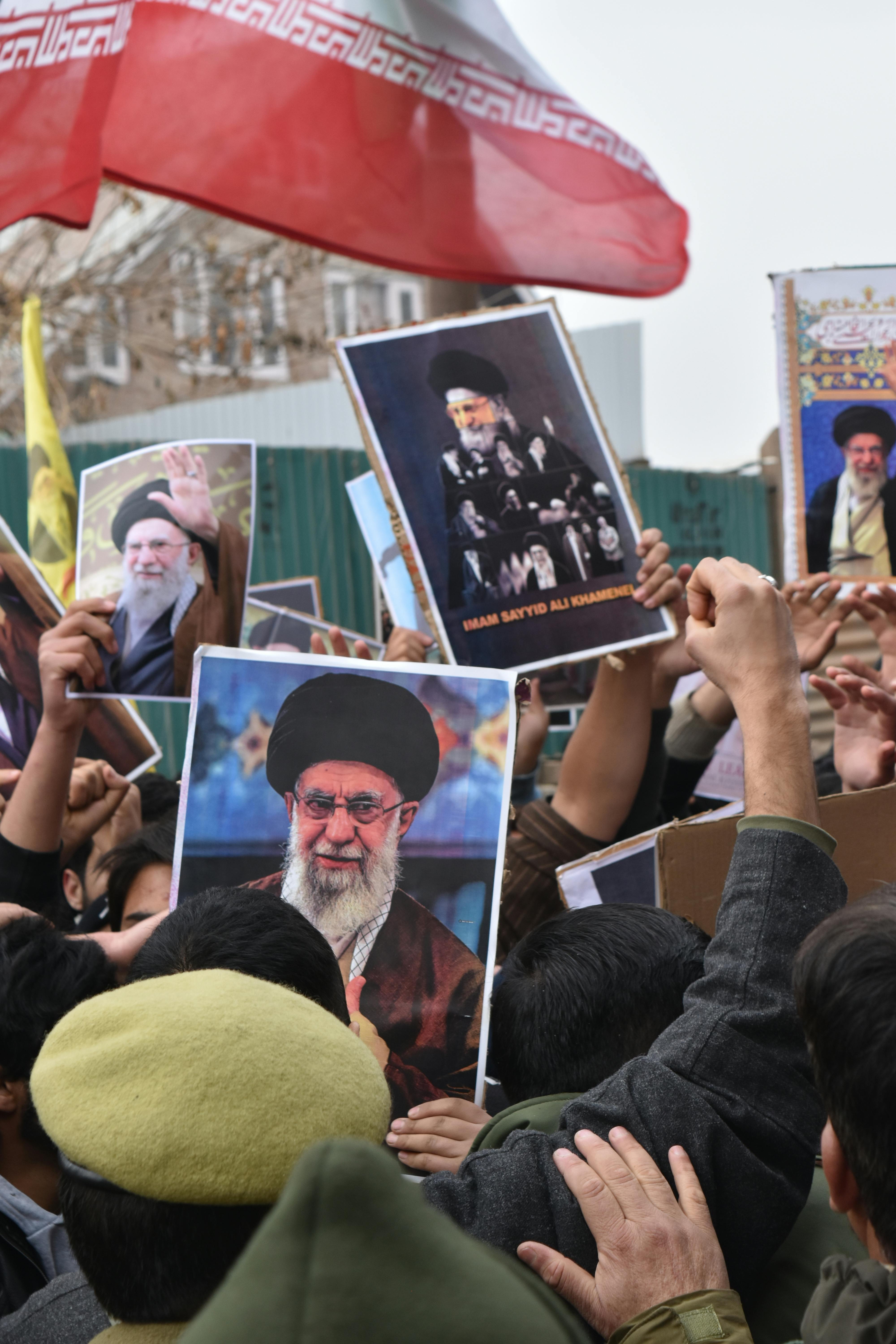
Mass gatherings for the funerals of prominent religious or political figures are a common occurrence in Iran, often drawing millions of mourners. The funeral of Ayatollah Ruhollah Khomeini in 1989 saw an unprecedented turnout, leading to chaotic scenes and a reported number of casualties due to crowd crush. More recently, the funeral processions for Major General Qassem Soleimani in January 2020, following his assassination, also attracted millions across several cities, resulting in a stampede in Kerman that killed at least 56 people and injured over 200. These historical events likely inform the current, stark preparations by Tehran municipal authorities, who are acutely aware of the potential for a similar, if not larger, human tragedy during the funeral of the current Supreme Leader, a figure whose passing would undoubtedly trigger immense national mourning and public outpouring.
EXPLAINING IMPORTANT REFERENCES
**Supreme Leader:** In Iran's unique political system, the Supreme Leader is the spiritual and political head of the country, a position of unparalleled authority. Unlike a president, who is elected for a term, the Supreme Leader is appointed for life by the Assembly of Experts and has final say on all major state affairs, including foreign policy, military, and judicial matters. This role combines the powers of a head of state with the religious authority of a grand ayatollah.
**Special Unit to Handle Dead and Missing:** This refers to a dedicated emergency response team. In a Nigerian context, this is akin to a specialized unit within the National Emergency Management Agency (NEMA) or state emergency management agencies, tasked specifically with disaster victim identification, body recovery, and managing inquiries for missing persons following a large-scale tragedy or mass casualty incident. It implies a sophisticated and grim preparation for a potential disaster rather than just a ceremonial event.
**Crowd Crush:** This is a dangerous phenomenon that occurs when a large number of people are packed into a confined space, leading to a density so high that individuals are unable to move or control their own bodies. The immense pressure can cause suffocation and traumatic injuries, often leading to fatalities. It is a critical concern in managing any large public gathering, particularly in highly emotional events like funerals where crowd control can be challenging.
IMPACT ANALYSIS
The reported preparations by Tehran municipal authorities have several significant implications. Internally, it highlights the immense reverence and potential outpouring of grief expected upon the Supreme Leader's passing, signaling a period of national mourning and potential instability during the succession process. The anticipated high number of casualties underscores a concerning acceptance of risk, or perhaps a realistic assessment of the challenges in managing such a monumental event safely. Externally, the world will be watching closely, not only for the geopolitical ramifications of a leadership transition in Iran but also for the humanitarian aspect of crowd safety. The scale of these preparations could also be interpreted as a message about the regime's control and capacity, even in anticipating tragedy.
WHAT HAPPENS NEXT
The preparations for the Supreme Leader's eventual funeral are likely to continue, with authorities refining their logistical and emergency response plans. When the event ultimately occurs, it will be a moment of intense national and international focus. The immediate aftermath will involve the official funeral rites, followed by the crucial process of selecting and confirming a new Supreme Leader by the Assembly of Experts. This transition will be a critical test for Iran's political system, with potential impacts on its domestic policies, regional stance, and international relations. The world will be observing how effectively Iranian authorities manage both the emotional outpouring of its citizens and the practical challenges of ensuring public safety.
HERO PERSPECTIVE
Leverage On Heroes Media believes that while preparing for contingencies is prudent, the sanctity of human life must always be paramount. The reported anticipation of thousands of deaths at a state funeral, while perhaps a grim reflection of past incidents, should compel all responsible authorities to prioritize the prevention of such tragedies above all else. Effective crowd management, robust safety protocols, and clear communication are not just logistical challenges; they are moral imperatives. The legacy of any leader should not be marred by preventable loss of life among their mourners. Our focus remains on accountability, public safety, and ensuring that future large-scale events, anywhere in the world, are managed with the utmost care for human well-being.
CLOSING
The extraordinary measures being undertaken by Tehran authorities serve as a stark reminder of the potential human cost associated with mass public gatherings, especially during times of profound national emotion and political transition. As Iran continues its preparations, the global community will undoubtedly remain vigilant, observing not just the political implications of a leadership change but also the fundamental commitment to human safety.