
HEADLINE
Journalist Linked to Sowore Released by DSS Amidst Public Pressure
OPENING HOOK
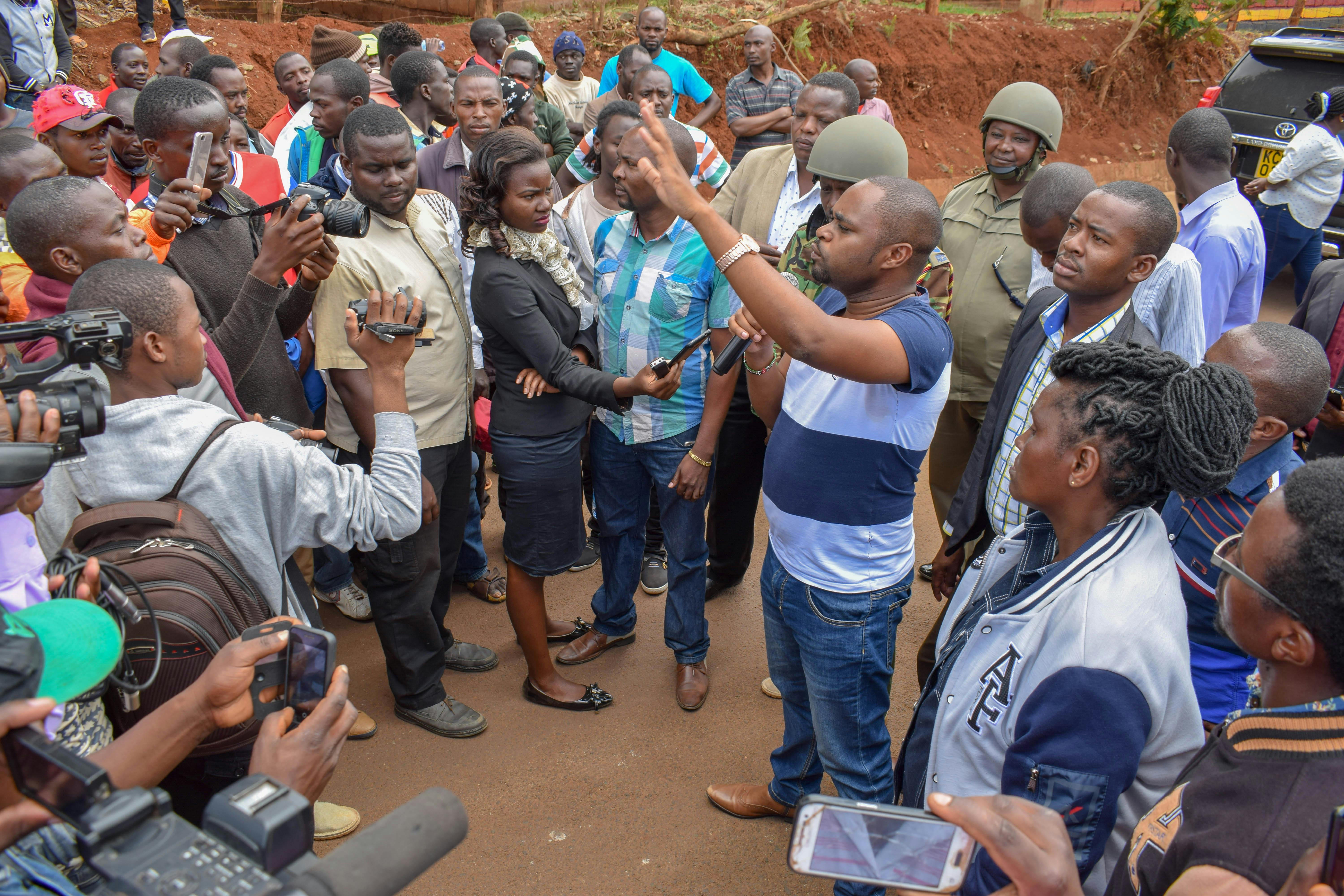
In a significant development for press freedom and human rights advocacy in Nigeria, the Department of State Services (DSS), the nation's primary domestic intelligence agency, has reportedly released a journalist associated with prominent activist Omoyele Sowore from its custody. The release, announced by Mr. Sowore himself on Friday, is widely seen as a direct outcome of sustained pressure from concerned Nigerians, various civil society organizations, and diligent legal teams.
WHAT HAPPENED
A journalist, whose identity has not been publicly disclosed, was released by the Department of State Services (DSS) on Friday. The release followed a period of detention, the duration and specific reasons for which were not immediately made clear. Omoyele Sowore, a well-known activist and political figure, confirmed the journalist's freedom, emphasizing that the concerted efforts of citizens, advocacy groups, and lawyers were instrumental in securing the release. This incident underscores the ongoing tensions between state security apparatus and media practitioners, particularly those perceived to be critical or associated with opposition voices.
WHO ARE THE KEY PLAYERS
**Department of State Services (DSS):** Formerly known as the State Security Service (SSS), the DSS is Nigeria's principal domestic intelligence agency. Its mandate includes protecting the country against domestic threats, counter-terrorism, and safeguarding senior government officials. However, the agency has often faced criticism from human rights groups over its methods of operation, including prolonged detentions without charge.
**Omoyele Sowore:** A prominent Nigerian human rights activist, pro-democracy campaigner, and the publisher of the online news platform, Sahara Reporters. Mr. Sowore has a long history of activism, famously leading the #RevolutionNow movement, which advocates for systemic change in Nigeria. He has also contested for the presidency, positioning himself as a voice for the masses. His association with individuals often draws the attention of state security agencies.
**The Journalist:** While unnamed in the reports, this individual represents the broader community of media practitioners in Nigeria. Their detention and subsequent release highlight the precarious environment in which journalists operate, particularly when their work or associations are deemed sensitive by the authorities.
**Civil Society Groups and Lawyers:** These are non-governmental organizations and legal practitioners who play a crucial role in upholding human rights and democratic principles in Nigeria. They often provide legal aid, advocate for detainees, and mobilize public opinion against perceived injustices, acting as a vital check on state power.
UNDERSTANDING THE LOCATION
The events unfolded within Nigeria, a federal republic in West Africa. The country's legal and security framework, which includes the DSS, operates under federal laws. Incidents involving the detention of journalists or activists often draw national and international attention, reflecting concerns about democratic freedoms and the rule of law across the nation's diverse geopolitical zones.
BACKGROUND AND CONTEXT
The detention of journalists and activists by security agencies is not an isolated occurrence in Nigeria. Historically, there have been numerous instances where individuals perceived as government critics or threats to national security have been held without trial or for extended periods. Omoyele Sowore himself has been a frequent target of such actions, having been detained multiple times by the DSS, notably in 2019 following his call for the #RevolutionNow protests. These incidents often ignite public outcry, with civil society organizations and legal professionals consistently pushing for adherence to constitutional rights, including freedom of expression and fair trial. The pressure mounted by these groups, as seen in this recent release, often serves as a crucial mechanism for accountability.
EXPLAINING IMPORTANT REFERENCES
**Department of State Services (DSS):** As explained earlier, this is Nigeria's internal security agency, tasked with intelligence gathering and maintaining national security. Its actions are often scrutinized by human rights bodies due to its broad powers of arrest and detention.
**Journalism/Press Freedom:** This refers to the ability of journalists to report news and disseminate information without fear of harassment, intimidation, or detention. It is considered a cornerstone of any functioning democracy, allowing citizens to be informed and holding those in power accountable.
**Activism:** The practice of vigorous action or involvement in achieving political or other goals, often through public campaigning or protests. Activists like Omoyele Sowore play a significant role in advocating for social justice, human rights, and good governance, frequently clashing with state authorities in the process.
IMPACT ANALYSIS
The release of the journalist, while a positive step, carries several implications. Firstly, it reinforces the crucial role of public pressure and civil society advocacy in challenging state power and upholding human rights in Nigeria. It demonstrates that collective action can indeed influence the actions of even formidable security agencies. Secondly, it highlights the continued vulnerability of journalists, particularly those whose work or associations might be deemed adversarial by the state. This could potentially have a chilling effect on investigative journalism and critical reporting, as media practitioners might self-censor to avoid similar fates. Lastly, it puts the DSS under renewed scrutiny regarding its adherence to due process and constitutional rights, prompting calls for greater transparency and accountability in its operations.
WHAT HAPPENS NEXT
While the journalist is free, several questions remain. It is unclear if any charges were filed against the individual or if legal action will be pursued against the DSS for the detention. Human rights organizations and legal teams will likely continue to monitor such cases closely, advocating for reforms within security agencies to ensure adherence to democratic principles and the rule of law. This incident may also galvanize further advocacy for stronger protections for journalists and whistleblowers in Nigeria, potentially leading to increased legislative and judicial scrutiny of security agency practices.
HERO PERSPECTIVE
Leverage On Heroes Media stands firm on the principle that press freedom is non-negotiable in a democracy. This incident underscores the vital importance of a vigilant citizenry and an active civil society in holding power accountable. We advocate for a Nigeria where journalists can perform their duties without fear of intimidation or arbitrary detention, ensuring that the public remains informed and empowered.
CLOSING
The release of the journalist linked to Omoyele Sowore serves as a potent reminder of the delicate balance between national security and fundamental human rights. It is a testament to the power of collective advocacy, yet also a stark indicator of the continuous struggle required to safeguard press freedom and ensure justice for all citizens in Nigeria.