
HEADLINE
NASA's Curiosity Rover Uncovers First Sulfur Crystals on Mars, Deepening Geological Understanding
OPENING HOOK
In a significant stride for planetary science, humanity’s robotic emissary on Mars, the Curiosity rover, has transmitted groundbreaking close-up images from the Red Planet, confirming the presence of distinct sulfur crystals. This unprecedented discovery marks a crucial moment in our quest to understand Mars' geological past and its potential to harbor life.
WHAT HAPPENED
NASA's Curiosity rover recently captured high-resolution images showing fragments of sulfur crystals, an observation that represents the first direct detection of this mineral on Mars. The close-up views provide detailed evidence of these crystalline structures, offering scientists a tangible sample of Martian geochemistry previously only inferred.
WHO ARE THE KEY PLAYERS
**National Aeronautics and Space Administration (NASA):** This is the United States government agency responsible for the civilian space program, aeronautics, and aerospace research. NASA is the primary organization behind the Curiosity mission, funding and managing its design, launch, and ongoing operations on Mars.
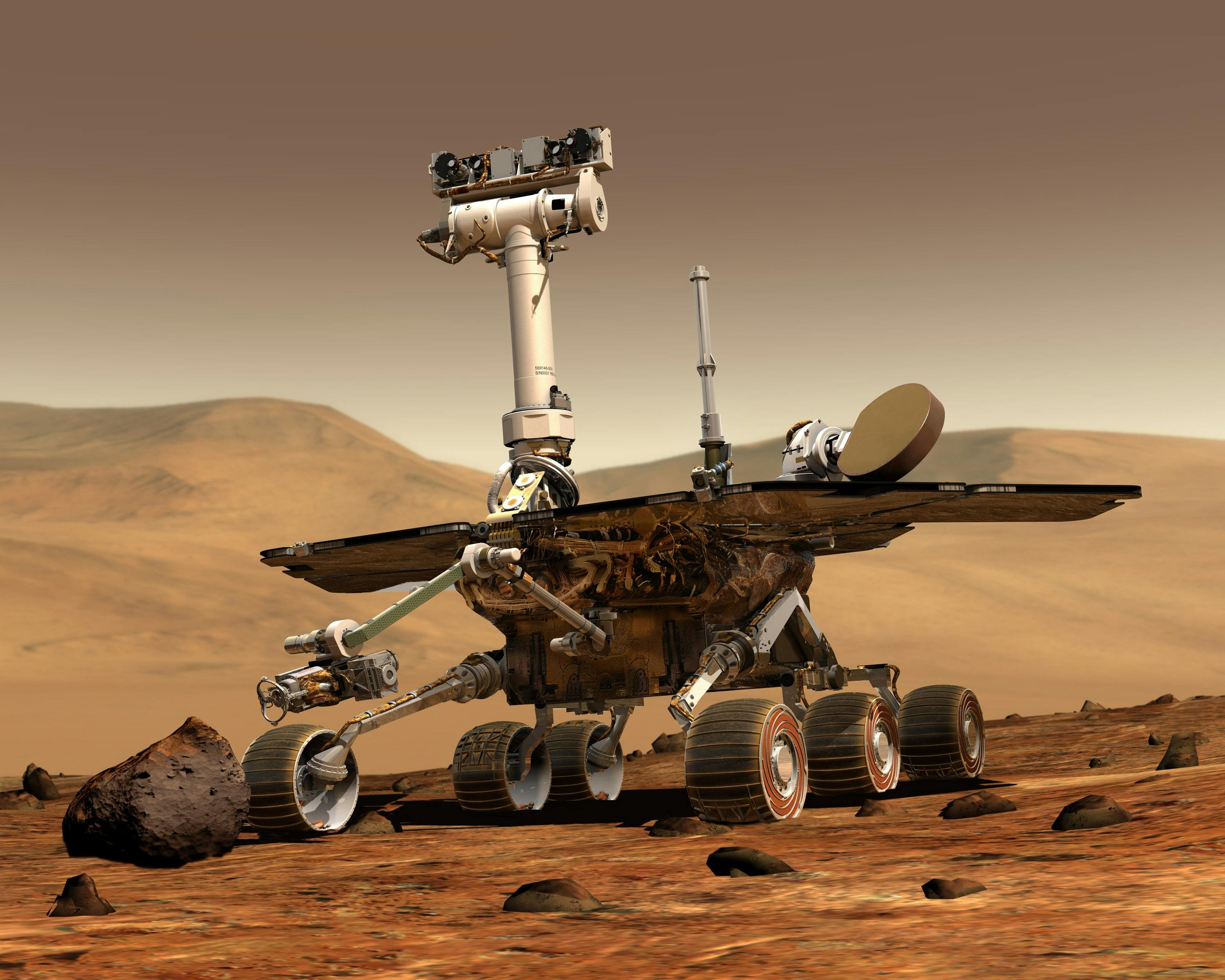
**Curiosity Rover:** This is a car-sized robotic explorer, part of NASA's Mars Science Laboratory (MSL) mission. Launched in November 2011 and landing on Mars in August 2012, its primary mission is to investigate the Martian climate and geology, and to determine if Mars ever had environmental conditions favorable for microbial life. It is equipped with an array of scientific instruments, including cameras, spectrometers, and drills, to analyze rocks, soil, and the atmosphere.
UNDERSTANDING THE LOCATION
The discovery was made on **Mars**, the fourth planet from the Sun and the second-smallest planet in the Solar System, after Mercury. Often referred to as the "Red Planet" due to its reddish appearance from iron oxide prevalent on its surface, Mars has been a focal point for space exploration due to its potential for past habitability. The Curiosity rover has been exploring Gale Crater on Mars, a vast basin believed to have once held a lake, making it an ideal location to search for signs of past water and conditions suitable for life.
BACKGROUND AND CONTEXT
The search for evidence of water and conditions for life on Mars has been a central theme of space exploration for decades. Previous missions, including NASA's Viking landers in the 1970s and subsequent rovers like Spirit, Opportunity, and Perseverance, have provided tantalizing clues about Mars' watery past. The presence of sulfur-bearing minerals, such as sulfates, has been inferred from orbital observations and some ground-level analyses. However, the direct observation of sulfur crystals provides more definitive evidence and specific insights into the planet's geological processes. Sulfur, a common element on Earth, is involved in various biological and geological cycles, often associated with volcanic activity, hydrothermal vents, and the formation of certain types of rocks. On Earth, sulfur can be found in everyday items like matches, some traditional medicines, and is crucial in industrial processes for producing fertilizers and rubber.
EXPLAINING IMPORTANT REFERENCES
**Sulfur Crystals:** Sulfur is a chemical element (symbol S) that exists as a yellow, brittle solid at room temperature. In its crystalline form, it signifies specific geological processes that led to its precipitation. On Mars, finding sulfur crystals suggests conditions where sulfur-rich fluids evaporated or cooled, leaving behind these mineral deposits. This could imply past volcanic activity, hydrothermal systems (where hot water interacts with rocks), or even evaporite deposits from ancient Martian lakes, all of which are environments that could potentially support microbial life.
IMPACT ANALYSIS
The direct observation of sulfur crystals on Mars holds significant implications for understanding the planet's geological and chemical evolution. This finding provides concrete evidence of specific mineral-forming processes that occurred in Mars' past. It can help scientists reconstruct the ancient Martian environment, shedding light on the composition of its water bodies, the nature of its atmosphere, and the extent of its volcanic or hydrothermal activity. Such environments, rich in chemical energy, are often considered prime locations for the emergence and sustenance of life. For Nigeria, while direct involvement in Mars missions is nascent, these discoveries inspire scientific curiosity and highlight the importance of investing in STEM education and research, fostering a generation of innovators who can contribute to global scientific endeavors.
WHAT HAPPENS NEXT
Scientists will now meticulously analyze the images and any accompanying data from Curiosity's instruments to understand the exact composition, morphology, and geological context of these sulfur crystals. This will involve using the rover's onboard spectrometers to determine the precise chemical makeup and its drill to potentially collect samples for further analysis. The data will contribute to more refined models of Mars' geological history and inform future missions, potentially guiding the search for more complex organic molecules or even fossilized evidence of past life. Future missions might target areas with similar geological signatures, using more advanced instruments capable of detailed in-situ analysis or even sample return to Earth.
HERO PERSPECTIVE
Leverage On Heroes Media views this discovery as a testament to humanity's unyielding spirit of exploration and the power of scientific inquiry. The Curiosity rover, a marvel of engineering, continues to push the boundaries of our knowledge, reminding us that the universe holds countless secrets waiting to be unveiled. This Martian sulfur, though seemingly small, represents a giant leap in our understanding of planetary habitability, urging us to continue investing in science and technology, not just for cosmic exploration but for solving challenges right here on Earth. It’s a call to nurture the curiosity that drives progress, inspiring our youth to look beyond the immediate and embrace the limitless possibilities of discovery.
CLOSING
As the Curiosity rover continues its solitary journey across the Martian landscape, each new image and data point brings us closer to unraveling the mysteries of our cosmic neighbor. The detection of sulfur crystals is more than just a mineralogical find; it is a vital piece in the grand puzzle of Mars' past, bringing humanity one step closer to answering the profound question: Are we alone in the universe?