HEADLINE
Nigeria Faces Prolonged Flood Threat: Government Agency Warns of 12 Weeks of Heavy Rains Amidst Disregarded Forecasts
OPENING HOOK
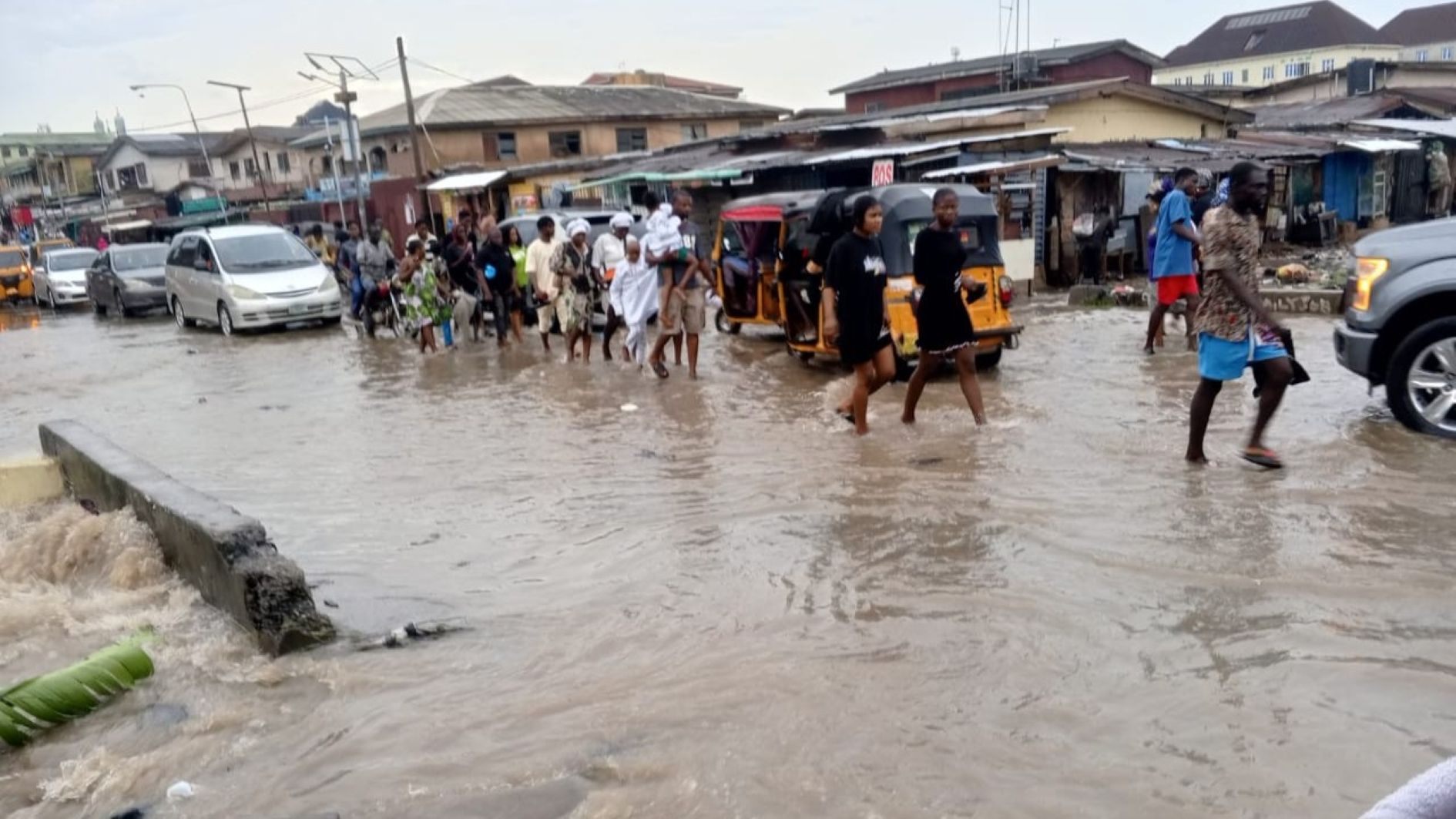
The alarming sound of heavy rain often brings with it the dread of rising waters, a reality that has recently manifested in devastating floods across parts of Nigeria. Now, a critical federal agency warns that the worst may be yet to come, with up to three months of continuous downpours and floodwaters threatening communities nationwide, a situation exacerbated by what it describes as ignored prior warnings.
WHAT HAPPENED
The Director-General and Chief Executive Officer of the Nigeria Hydrological Services Agency (NiHSA), Umar Mohammed, recently announced that the severe floods experienced in Lagos State and other regions across Nigeria in recent weeks were not unforeseen. According to Mohammed, NiHSA had accurately forecasted these events using various hydrological models, issuing warnings that he claims were largely disregarded. He cautioned that these initial floods are merely the precursor, with heavy rains and floodwaters projected to persist for another 12 weeks if proactive measures are not urgently implemented.
WHO ARE THE KEY PLAYERS
The **Nigeria Hydrological Services Agency (NiHSA)** is a federal government institution under the Federal Ministry of Water Resources. Its primary mandate is to monitor Nigeria's water bodies, predict hydrological events like floods and droughts, and provide data and warnings to relevant authorities and the public for disaster preparedness and management. **Umar Mohammed** serves as the Director-General and Chief Executive Officer of NiHSA, making him the principal voice and authority for the agency's hydrological forecasts and warnings. **Lagos State** is a key location mentioned, being Nigeria's most populous city and economic hub, frequently grappling with the challenges of urban flooding due to its low-lying topography and extensive coastline. Beyond Lagos, **various other states across the country** are also implicated, highlighting the national scope of the potential disaster.
UNDERSTANDING THE LOCATION
Lagos State, situated on the Atlantic coast, is a sprawling metropolis particularly vulnerable to flooding. Its dense population, rapid urbanization, inadequate drainage systems, and proximity to sea level make it susceptible to both coastal and urban flooding, especially during intense rainy seasons. Beyond Lagos, Nigeria's diverse geography means that different geopolitical zones face varying flood risks. States in the South-South and parts of the South-East are prone to riverine floods from the Niger and Benue rivers, while areas in the North-Central and North-East can experience flash floods due to heavy rainfall on hard surfaces. The current warning suggests a broad, national impact, affecting communities across these varied landscapes.
BACKGROUND AND CONTEXT
Nigeria has a long and often tragic history with flooding. Major flood events, such as those in 2012 and 2022, have resulted in significant loss of life, displacement of millions, and widespread destruction of property and agricultural lands. These disasters often highlight a recurring challenge: the gap between early warning systems and effective, timely response and mitigation strategies. Despite the establishment of agencies like NiHSA to provide scientific forecasts, the implementation of preventative measures, enforcement of environmental regulations, and public adherence to safety guidelines often fall short. This recurring pattern raises questions about inter-agency coordination, resource allocation for disaster management, and the political will to address long-term environmental vulnerabilities, especially in the face of escalating climate change impacts that are intensifying rainfall patterns globally.
EXPLAINING IMPORTANT REFERENCES
**Nigeria Hydrological Services Agency (NiHSA)**: This is Nigeria's authoritative federal body responsible for monitoring all aspects of water resources, including river levels, rainfall, and groundwater. They use scientific data and advanced **forecasting models** – which are sophisticated computer programs that analyze historical weather data, current atmospheric conditions, satellite imagery, and topographical information – to predict future hydrological events like floods. These models help them anticipate where and when heavy rainfall might lead to overflowing rivers or urban inundation. The **rainy season** in Nigeria typically spans from April to October in the south and June to September in the north, with varying intensity. The current warning pertains to a period within this season, indicating a prolonged spell of exceptionally heavy precipitation that could overwhelm existing infrastructure and natural drainage.
IMPACT ANALYSIS
The implications of a prolonged 12-week period of heavy rains and flooding are profound. Economically, businesses, especially small and medium enterprises (SMEs) and agricultural ventures, face severe disruption, leading to financial losses and potential job cuts. Damage to critical infrastructure like roads, bridges, and power lines can cripple transportation and essential services, impacting trade and daily life. Socially, the risk of displacement for thousands of families is high, leading to humanitarian crises, increased health risks from waterborne diseases, and potential loss of life. Psychologically, communities repeatedly affected by floods experience trauma and diminished resilience. Environmentally, prolonged flooding can lead to widespread erosion, contamination of water sources, and destruction of natural habitats. Politically, the government's response to this looming crisis will be closely scrutinized, impacting public trust and potentially influencing future policy decisions on climate change adaptation and disaster management.
WHAT HAPPENS NEXT
With NiHSA's warning, the coming weeks will be critical. State and federal emergency management agencies, such as the National Emergency Management Agency (NEMA), are expected to intensify their preparedness activities, including public awareness campaigns, pre-positioning relief materials, and identifying safe evacuation routes and shelters. There will likely be increased calls for residents in flood-prone areas to take precautionary measures, such as clearing drainage channels, relocating valuables, and heeding official evacuation orders. Long-term, this renewed threat might spur more robust investments in flood control infrastructure, such as improved drainage systems, dams, and barrages, particularly in vulnerable urban centres like Lagos. Collaborative efforts between government bodies, local communities, and international partners will be essential to mitigate the anticipated impact and build greater resilience against future hydrological disasters.
HERO PERSPECTIVE
Leverage On Heroes Media believes that the recurring cycle of flood warnings followed by devastating impacts underscores a critical failure in proactive governance and civic responsibility. Our editorial stance is that effective disaster management is not merely about post-event response but about robust investment in infrastructure, strict enforcement of environmental planning laws, and fostering a culture of preparedness and accountability at all levels. We call on government agencies to not only issue warnings but to ensure these warnings translate into actionable, funded, and coordinated preventative measures, while urging citizens to play their part by adhering to environmental guidelines and participating in community-level preparedness efforts. The heroes in this narrative will be those who bridge the gap between prediction and prevention, saving lives and livelihoods.
CLOSING
The shadow of impending floods looms large over Nigeria, a stark reminder of the urgent need for collective action. As the nation braces for potentially 12 more weeks of heavy rains, the imperative for robust preparedness, effective communication, and sustained commitment to environmental stewardship has never been more critical for the safety and resilience of its citizens.