
HEADLINE Nigeria Bolsters Ebola Preparedness, Reports 80% Readiness in Risk Communication and Community Engagement
OPENING HOOK The invisible threat of epidemics constantly looms, demanding vigilance and proactive measures from nations worldwide. In West Africa, a region with a history of confronting deadly diseases, Nigeria is once again stepping up, signaling a robust commitment to public health security against the formidable Ebola Virus Disease.
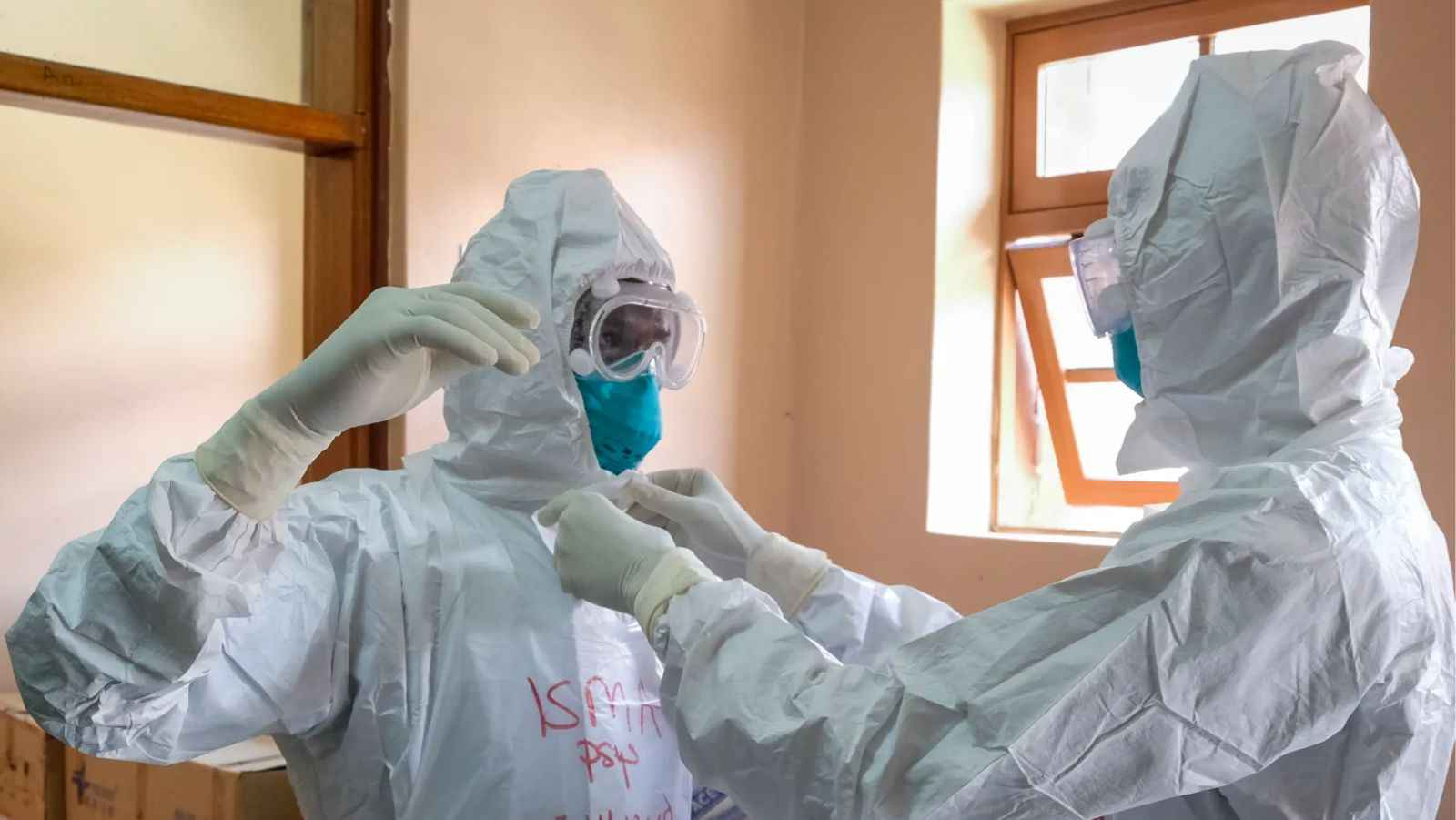
WHAT HAPPENED Nigeria has officially declared an 80 percent readiness level in critical areas of Risk Communication, Community Engagement (RCCE), and Infodemic Management concerning potential Ebola outbreaks. This significant announcement comes even as the nation maintains its status of having no confirmed Ebola cases. Dr. Jide Idris, the Director-General of the Nigeria Centre for Disease Control and Prevention (NCDC), made this disclosure during the second Ebola RCCE+IM preparedness webinar, emphasizing the nation's proactive stance on strengthening infection prevention and community readiness at various crucial points.
WHO ARE THE KEY PLAYERS **Dr. Jide Idris:** The Director-General of the Nigeria Centre for Disease Control and Prevention (NCDC), he is a key figure in Nigeria's public health leadership, responsible for guiding the nation's disease surveillance and response strategies.
**Nigeria Centre for Disease Control and Prevention (NCDC):** This is Nigeria's leading national public health institution, an agency of the Federal Government. Its mandate includes preventing, detecting, and responding to infectious disease outbreaks and other public health emergencies across the country.
**The Nigerian Government:** The overarching authority that supports and funds public health initiatives, demonstrating a commitment to safeguarding its citizens from health crises.
UNDERSTANDING THE LOCATION Nigeria, a populous West African nation, is strategically located with extensive land borders, a long coastline, and numerous international airports, making it a critical hub for regional and continental travel. This geographical reality means that 'points of entry' – such as airports, seaports, and land crossings – are vital for preventing the importation and spread of infectious diseases. The country's diverse population and varied urban and rural settings also necessitate tailored public health strategies to ensure effective reach and engagement across all geopolitical zones, from the bustling South-West to the more sparsely populated North-East.
BACKGROUND AND CONTEXT Ebola Virus Disease (EVD) is a severe, often fatal illness in humans, caused by the Ebola virus. It is transmitted to people from wild animals and spreads in the human population through direct contact with the blood, secretions, organs or other bodily fluids of infected people, and with surfaces and materials contaminated with these fluids. The disease gained global notoriety during the devastating West African outbreak of 2014-2016. Nigeria famously contained its own outbreak in 2014, a feat widely lauded internationally. This historical experience instilled crucial lessons in rapid response, contact tracing, and the paramount importance of public awareness and cooperation. The current 80 percent readiness report reflects a sustained effort to build on those lessons, ensuring that the country is better prepared should the virus ever re-emerge.
EXPLAINING IMPORTANT REFERENCES **Risk Communication, Community Engagement (RCCE):** This refers to the critical process of informing the public about health threats, addressing their concerns, dispelling myths, and actively involving communities in prevention and control strategies. It’s about building trust and ensuring that health messages resonate with everyday Nigerians, from market women to local chiefs.
**Infodemic Management (IM):** In today's digital age, health crises are often accompanied by an 'infodemic'—an overabundance of information, some accurate and some not, spreading rapidly. Infodemic Management is the strategic effort to tackle this spread of misinformation and disinformation during health emergencies, ensuring that people receive accurate, reliable, and actionable information to protect themselves and their families.
**Points of Entry:** These are crucial locations like international airports (e.g., Murtala Muhammed International Airport in Lagos), seaports (e.g., Apapa Port), and land border crossings. They are the first line of defense against the importation of diseases from other countries, requiring robust screening and surveillance measures.
**Health Facilities:** This term encompasses all healthcare settings, from primary health centers in rural areas to specialist hospitals in major cities. Ensuring their readiness means having trained staff, adequate protective equipment, and isolation protocols to manage potential cases safely and effectively.