HEADLINE
Nigeria's Security Agencies Unite: A New Era for National Safety and Coordination
OPENING HOOK
For years, the battle against insecurity in Nigeria has often been perceived as a fragmented effort, with various agencies operating in silos. However, a recent, extraordinary joint address by the nation's top security, intelligence, and law enforcement bodies suggests a significant shift towards a more unified and coordinated approach to safeguarding the country.
WHAT HAPPENED
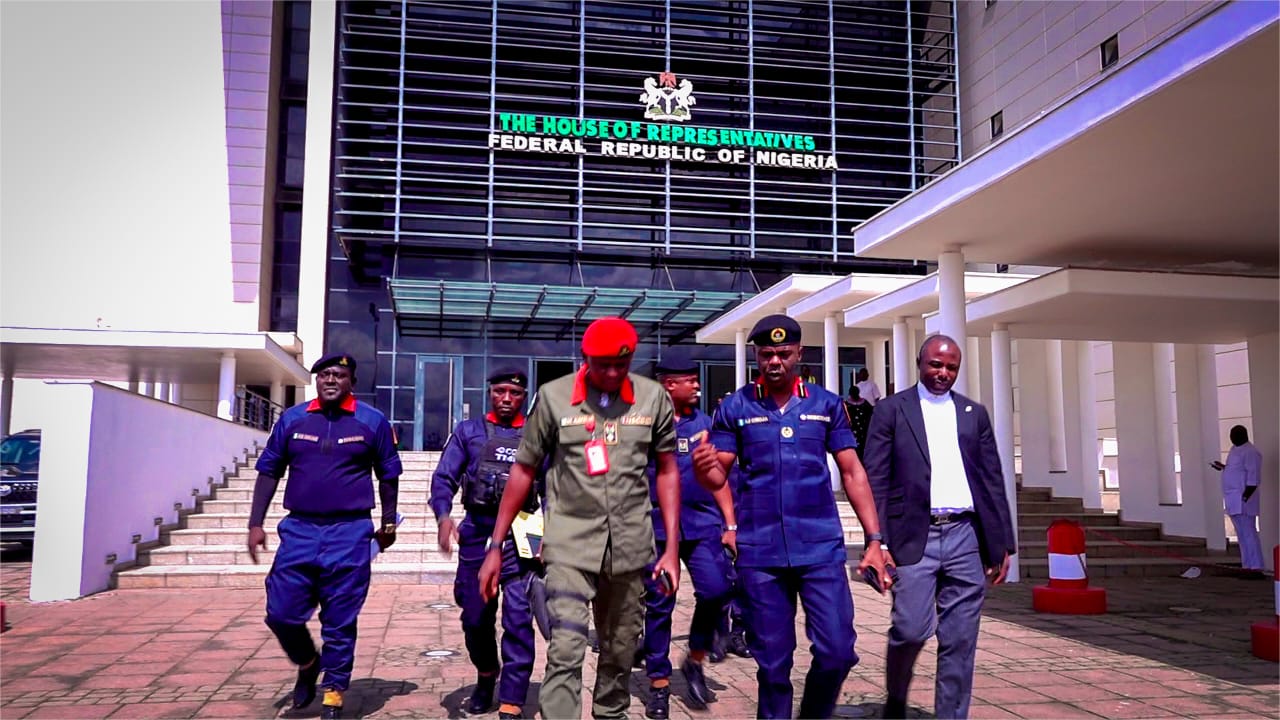
On July 2, 2026, Nigeria witnessed a landmark event as its defence, intelligence, law enforcement, anti-corruption, emergency response, and public safety agencies collectively addressed the nation on the state of national security. This unprecedented initiative was the culmination of strategic consultations among the leadership of these critical institutions, all coordinated under the guidance of the National Security Adviser (NSA). The Joint Security Press Briefing was not merely a presentation of operational statistics but a powerful demonstration of growing inter-agency cooperation in tackling Nigeria's evolving security landscape.
WHO ARE THE KEY PLAYERS
The central figure in this coordinated effort is the **National Security Adviser (NSA)**, a crucial presidential appointee responsible for advising the President on all matters related to national security and coordinating the activities of all security and intelligence agencies. The agencies involved represent the full spectrum of Nigeria's security architecture:
- **Defence Agencies:** Primarily the Nigerian Armed Forces (Army, Navy, Air Force), responsible for protecting Nigeria's territorial integrity from external threats and supporting internal security operations.
- **Intelligence Agencies:** Such as the Department of State Services (DSS) and the National Intelligence Agency (NIA), tasked with gathering and analyzing intelligence to pre-empt threats.
- **Law Enforcement Agencies:** Including the Nigeria Police Force (NPF) and the National Drug Law Enforcement Agency (NDLEA), responsible for maintaining law and order, investigating crimes, and enforcing laws.
- **Anti-Corruption Agencies:** Like the Economic and Financial Crimes Commission (EFCC) and the Independent Corrupt Practices and Other Related Offences Commission (ICPC), focused on combating financial crimes and corruption, which often fuel insecurity.
- **Emergency Response Agencies:** Such as the National Emergency Management Agency (NEMA) and the Federal Road Safety Corps (FRSC), dealing with disasters, accidents, and public safety.
- **Public Safety Agencies:** A broad category encompassing various bodies that ensure the well-being and safety of the populace.
UNDERSTANDING THE LOCATION
Nigeria, a vast and diverse West African nation, is currently grappling with multifaceted security challenges across its six geopolitical zones. From the insurgency in the North-East and banditry in the North-West and North-Central regions, to kidnapping for ransom prevalent across many states, and cultism and oil bunkering in the South-South, the country faces a complex web of threats. Economic hardship, youth unemployment, and ethnic-religious tensions often exacerbate these issues, making a coordinated security approach absolutely essential for stability and development.
BACKGROUND AND CONTEXT
Historically, Nigeria's security apparatus has often operated with a degree of institutional rivalry and limited inter-agency communication, a common challenge in many developing nations. This fragmentation sometimes hindered effective intelligence sharing and joint operations, allowing criminal elements to exploit gaps. The idea of a unified command or a more integrated approach has been a recurring theme in national security discourse. This joint briefing, therefore, marks a significant departure from past practices, suggesting a deliberate effort by the current administration to foster synergy and present a united front against insecurity. It reflects a growing understanding that no single agency can effectively tackle the scale and complexity of modern security threats alone.
EXPLAINING IMPORTANT REFERENCES
- **National Security Adviser (NSA):** This office is a direct aide to the President, acting as the principal coordinator of all security and intelligence matters. The NSA's role is critical in harmonizing the often disparate operations and intelligence gathering of various agencies.
- **Joint Security Press Briefing:** This refers to a collective public statement or engagement by multiple security agencies. Its significance lies in demonstrating a unified strategy, sharing information transparently, and reassuring the public that the government's security architecture is working in concert.
- **National Security:** This encompasses the protection of a nation's citizens, economy, and institutions from both internal and external threats. It's not just about military defence but also includes economic stability, public health, environmental protection, and cyber resilience.
IMPACT ANALYSIS
The immediate impact of this joint briefing is multifaceted. Firstly, it sends a strong message of unity and resolve to criminal elements and adversaries, indicating that the Nigerian state is consolidating its forces. Secondly, it aims to boost public confidence by showcasing transparency and accountability in security operations, which has often been a point of concern for citizens. Thirdly, and perhaps most crucially, it fosters better operational synergy among the agencies. Improved intelligence sharing, joint planning, and coordinated deployment can lead to more effective responses to threats, reducing duplication of efforts and maximizing resources. This could potentially lead to a decrease in response times and a more holistic approach to complex security issues that cut across various agency mandates.
WHAT HAPPENS NEXT
Following this briefing, the expectation is that the demonstrated unity will translate into sustained, practical collaboration on the ground. This could involve more joint training exercises, integrated command centres, and streamlined intelligence pipelines. Citizens will be watching to see if this collaborative spirit leads to tangible improvements in security outcomes, particularly in areas heavily impacted by banditry, kidnapping, and insurgency. The success of this initiative will largely depend on consistent political will, adequate funding, and the ability of agency heads to overcome historical rivalries and fully embrace a shared vision for national security. Future briefings could provide updates on specific joint operations and their successes, further building public trust.
HERO PERSPECTIVE
Leverage On Heroes Media believes that true national security is built on transparency, accountability, and seamless collaboration among all state actors. This joint briefing by Nigeria's security agencies is a commendable step towards dismantling the silos that have long hindered effective responses to insecurity. For too long, the 'us versus them' mentality, even within government, has empowered those who seek to destabilize our nation. We champion this move towards unity, as it underscores the principle that collective action, guided by clear communication and a shared purpose, is the most potent weapon against the multifaceted challenges Nigeria faces. This is not just about operational efficiency; it's about rebuilding trust and demonstrating a government truly committed to the safety and well-being of every Nigerian citizen.
CLOSING
As Nigeria continues its journey toward greater stability and prosperity, the demonstrated unity among its security agencies offers a glimmer of hope. The path ahead remains challenging, but a coordinated front, backed by public trust and unwavering commitment, is undoubtedly the most effective strategy to secure the nation's future.