
HEADLINE
Pack of Coyotes Moves Into Condo Construction Site in Los Angeles
OPENING HOOK
When breaking ground on a multi-million-dollar housing project, developers plan for zoning approvals, supply chain delays, and weather disruptions, but rarely do they anticipate wildlife squatters staking a permanent claim before the human residents arrive.
WHAT HAPPENED
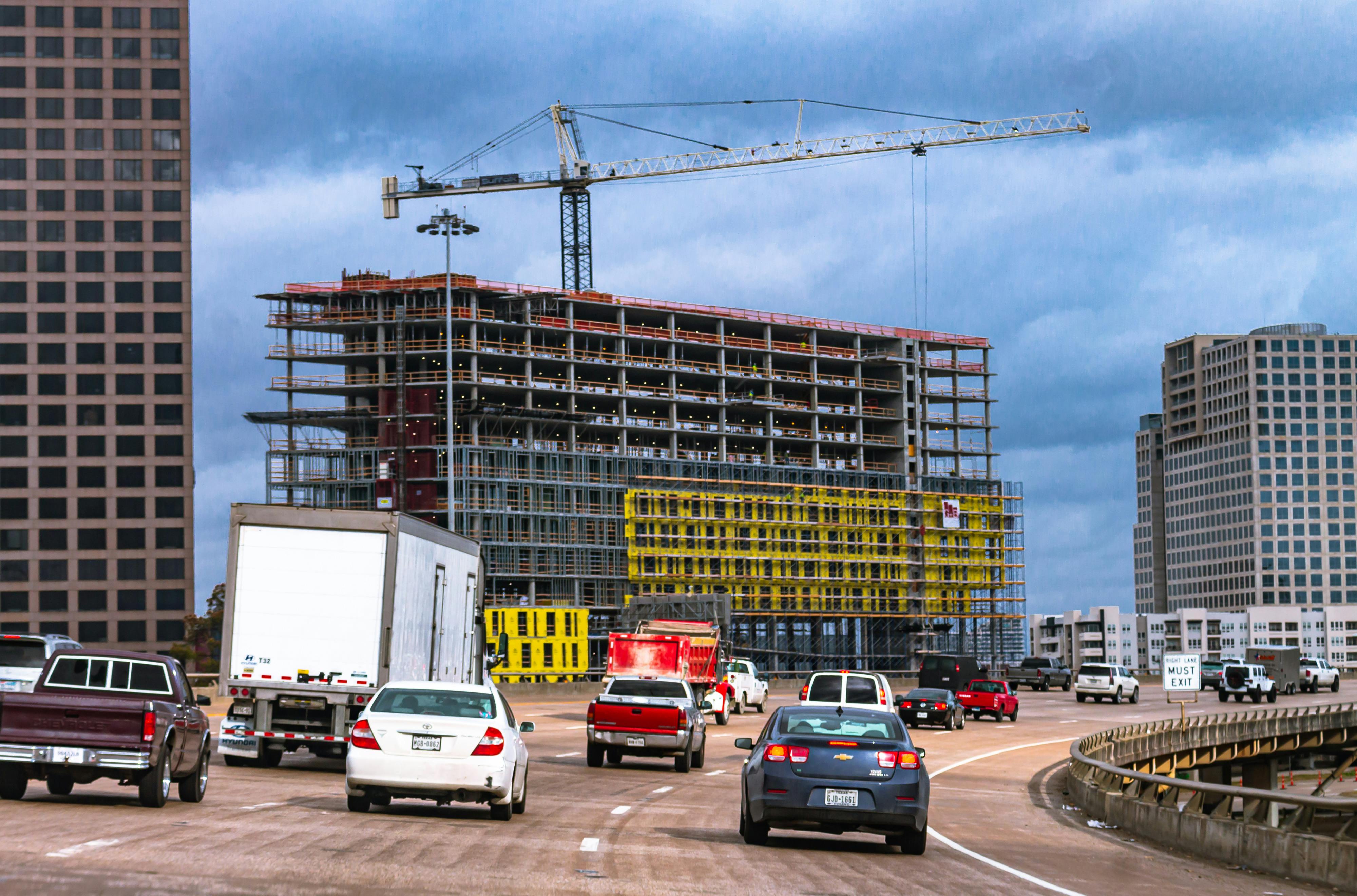
A pack of wild coyotes has moved directly onto an active residential condominium construction site in the Los Angeles suburb of West Hollywood, turning unfinished foundations and building materials into their personal habitat. Local residents, amused and startled by the unusual development, have begun referring to the unfinished structure as the "coyote condos." Construction crews arriving for their morning shifts have had to navigate around the animals, which appear to have adapted comfortably to the concrete surroundings.
WHO ARE THE KEY PLAYERS
Carter Evans is the broadcast journalist covering the unusual wildlife incursion for news audiences, bringing national attention to the suburban habitat overlap. The developers and construction crews of the West Hollywood residential project are directly impacted by the delay and safety protocols required to manage the wildlife. Local residents in the surrounding neighborhood serve as eyewitnesses who documented the daily activities of the animals on the property.
UNDERSTANDING THE LOCATION
West Hollywood is a densely populated, highly urbanized city located within the greater Los Angeles metropolitan area in Southern California. Known for its vibrant nightlife, commercial strips, and tight-knit residential pockets, it borders the Hollywood hills, creating a natural geographic mixing zone where dense human infrastructure directly abuts wildlife corridors.
BACKGROUND AND CONTEXT
Coyotes are native to North America and have demonstrated a remarkable ability to adapt to metropolitan environments over the past several decades. As urban sprawl encroaches further into natural hillsides and canyons, wild animals frequently venture into neighborhoods in search of food, water, and shelter. Unfinished construction sites offer dark, protected spaces that mimic natural dens, making them prime real estate for wildlife looking to raise litters away from heavy street traffic.
EXPLAINING IMPORTANT REFERENCES
Urban wildlife management refers to the strategies employed by city authorities and wildlife agencies to safely monitor, relocate, or coexist with wild animals living inside city limits. In densely built environments like Los Angeles, animal control officers typically advise residents and workers not to approach or feed wild predators, allowing natural migration patterns to resolve the situation whenever possible.
IMPACT ANALYSIS
This unusual wildlife sighting highlights the ongoing friction between expanding urban development and local ecosystems. For the real estate developers, the presence of protected wildlife introduces potential project delays and safety inspections. For the broader community, it serves as a stark reminder of how closely human beings live alongside native predators in modern metropolitan areas.
WHAT HAPPENS NEXT
Local animal control authorities and wildlife management teams are expected to monitor the site to ensure the safety of both the construction workers and the animals. Depending on whether the coyotes are raising pups on the property, wildlife officials may wait until the animals move on naturally or coordinate a humane relocation effort before full-scale construction resumes.
CLOSING
As urban expansion continues to blur the boundaries between city infrastructure and natural habitats, encounters between humans and local wildlife will likely remain a common fixture of modern metropolitan life.