
HEADLINE
President Tinubu Commissions Strategic Collector Road and Bridge in Abuja's Research District
OPENING HOOK
In a significant move towards enhancing urban connectivity and fulfilling campaign pledges, the administration of President Bola Ahmed Tinubu has marked a key milestone with the commissioning of a critical infrastructure project in Nigeria's capital city, Abuja. This development underscores the government's focus on tangible improvements that impact daily life and institutional access.
WHAT HAPPENED
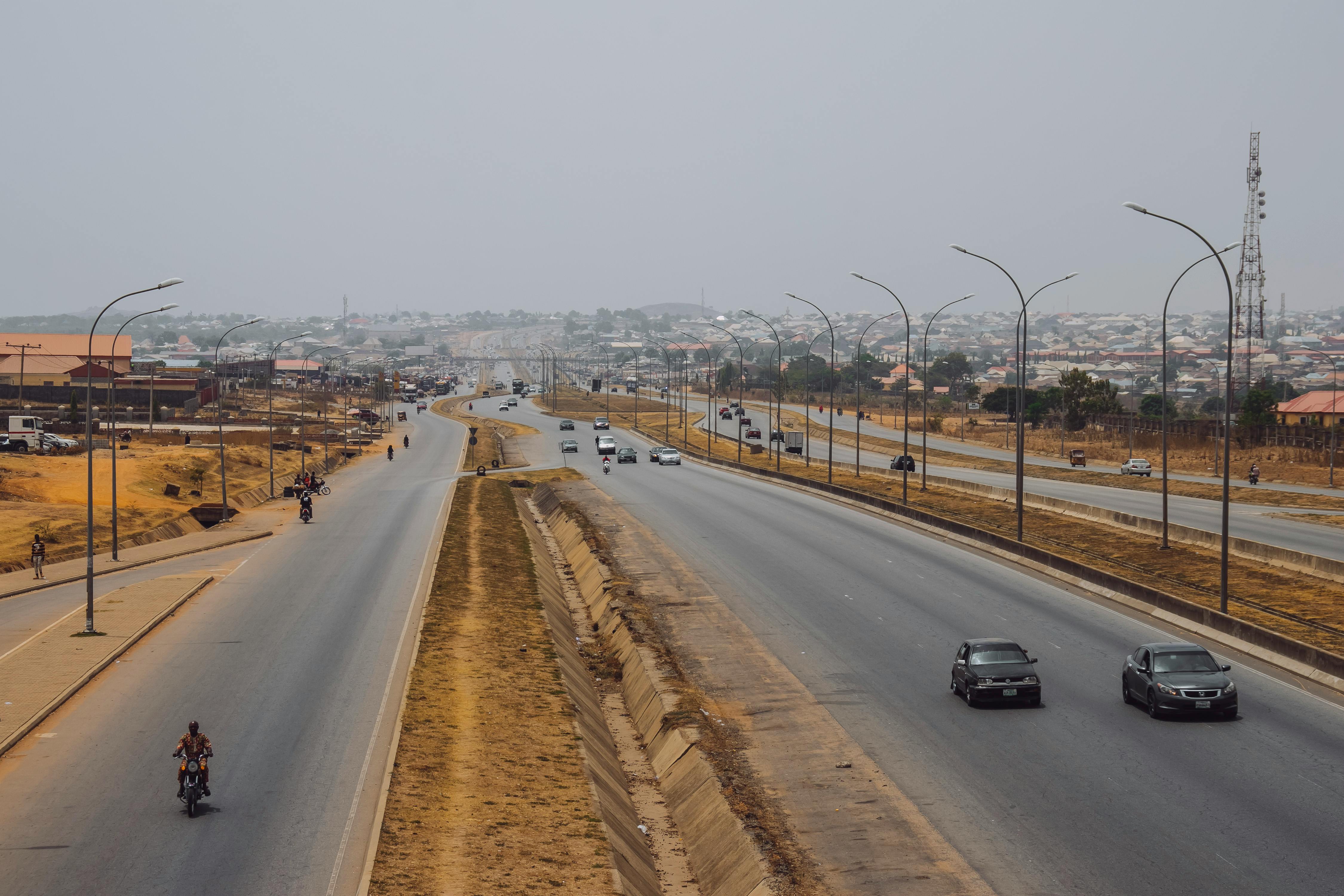
On Wednesday, President Bola Ahmed Tinubu, acting through his representative, Vice President Kashim Shettima, officially commissioned Collector Road C01 and an accompanying bridge. This new infrastructure is strategically located in Abuja's Institution and Research District, creating crucial linkages between the Body of Benchers, Nile University of Nigeria, and Baze University. The President described the project as a clear reflection of his administration's broader vision for national development and a tangible outcome of the 'Renewed Hope Agenda' promises.
WHO ARE THE KEY PLAYERS
**President Bola Ahmed Tinubu** is the incumbent President of Nigeria, having assumed office on May 29, 2023. He leads the All Progressives Congress (APC) government and is the architect of the 'Renewed Hope Agenda,' a comprehensive policy blueprint focused on economic recovery, security, and infrastructure development.
**Vice President Kashim Shettima** is the incumbent Vice President of Nigeria, also assuming office on May 29, 2023. He frequently represents President Tinubu at official events, particularly those related to project commissioning and policy articulation, demonstrating the administration's unity in purpose.
**The Federal Capital Territory Administration (FCTA)** is the government body responsible for the administration and development of Abuja, the Federal Capital Territory. It oversees urban planning, infrastructure projects, and the provision of essential services within the capital.
UNDERSTANDING THE LOCATION
**Abuja** is Nigeria's purpose-built capital city, established in the 1980s to replace Lagos. It is located in the Federal Capital Territory (FCT) in the geographical centre of the country, designed for neutrality and accessibility. Its development is ongoing, with various districts designated for specific functions.
**The Institution and Research District** is a designated zone within Abuja, specifically planned to house educational institutions, research centres, and other professional bodies. Its development is crucial for fostering intellectual growth and professional development within the capital.
**The Body of Benchers** is a highly esteemed legal body in Nigeria. It is responsible for the formal call of successful law graduates to the Nigerian Bar, thereby admitting them to practice as legal practitioners. Its presence signifies the importance of legal education and practice in Abuja.
**Nile University of Nigeria** and **Baze University** are prominent private universities located in Abuja. They contribute significantly to higher education, offering diverse academic programs and attracting students from across Nigeria and beyond.
BACKGROUND AND CONTEXT
President Tinubu's 'Renewed Hope Agenda' places significant emphasis on infrastructure development as a catalyst for economic growth and improved quality of life. The commissioning of this road and bridge aligns with this agenda, aiming to enhance connectivity, reduce travel times, and facilitate easier access to vital institutions. Historically, Abuja's development has been characterized by ambitious infrastructure projects designed to create a modern capital. However, many areas still require significant investment to meet the needs of a rapidly growing population. This project signals a continued commitment to the original vision of a well-planned and accessible capital city.
EXPLAINING IMPORTANT REFERENCES
A **Collector Road** (like C01) is a type of road designed to collect traffic from local residential or commercial streets and distribute it to arterial roads, which are larger roads with higher traffic volumes. Essentially, it acts as a middle ground, managing traffic flow and providing access to properties along its route while connecting to major transport networks. The **bridge** complements the road by spanning a physical obstruction, such as a river or a depression, ensuring seamless connectivity for vehicles and pedestrians. The act of **commissioning** refers to the formal opening of a completed project, signifying its readiness for public use and often serving as an official declaration of the government's achievement.
IMPACT ANALYSIS
The immediate impact of Collector Road C01 and the new bridge will be significantly improved access for students, faculty, and legal professionals commuting to the Body of Benchers, Nile University, and Baze University. This improved connectivity is expected to reduce traffic congestion, shorten travel times, and enhance the overall efficiency of movement within this critical district. For residents and businesses in the surrounding areas, it could mean easier access to services and potentially increased property values due to better infrastructure. Symbolically, the project serves as a visible demonstration of the Tinubu administration's commitment to delivering on its infrastructure promises, potentially boosting public confidence in the 'Renewed Hope Agenda'. However, sustained maintenance will be crucial to ensure the longevity and continued utility of this investment.
WHAT HAPPENS NEXT
Following the commissioning, the focus will shift to the effective utilization and long-term maintenance of the Collector Road C01 and the bridge. The Federal Capital Territory Administration (FCTA) will be responsible for ensuring the road remains in good condition, addressing any wear and tear. This project may also serve as a template or inspiration for similar infrastructure initiatives in other parts of Abuja and across Nigeria, as the administration continues to pursue its broader development goals under the 'Renewed Hope Agenda'. Citizens will be looking out for how these infrastructure gains translate into broader economic benefits and improved living standards.
HERO PERSPECTIVE
Leverage On Heroes Media views this infrastructure commissioning as a critical test of governmental accountability and a benchmark for the 'Renewed Hope Agenda'. While the physical completion of projects like Collector Road C01 is commendable, our editorial angle emphasizes the long-term impact on the average Nigerian. We will continue to scrutinize not just the unveiling of projects, but their sustained maintenance, equitable distribution of such developments across all geopolitical zones, and how they genuinely improve the daily lives and economic prospects of citizens beyond the ceremonial fanfare. True heroism in governance lies in consistent, impactful delivery and prudent resource management for the collective good.
CLOSING
The commissioning of Collector Road C01 and its bridge in Abuja represents more than just a new piece of infrastructure; it symbolizes the ongoing efforts to modernize Nigeria's capital and fulfill developmental promises. As the nation watches, the true measure of this project's success will be its lasting benefit to the community and its integration into a sustainable urban development strategy for Abuja and beyond.