
HEADLINE
Suffolk Wildfire Near Sizewell Nuclear Plant Begins Stabilising After Burning 150 Hectares
OPENING HOOK
Firefighters tackling a major wildfire near one of the United Kingdom's primary nuclear power installations have managed to bring the 24-hour blaze under control following extensive emergency deployments along the Suffolk coast.
WHAT HAPPENED
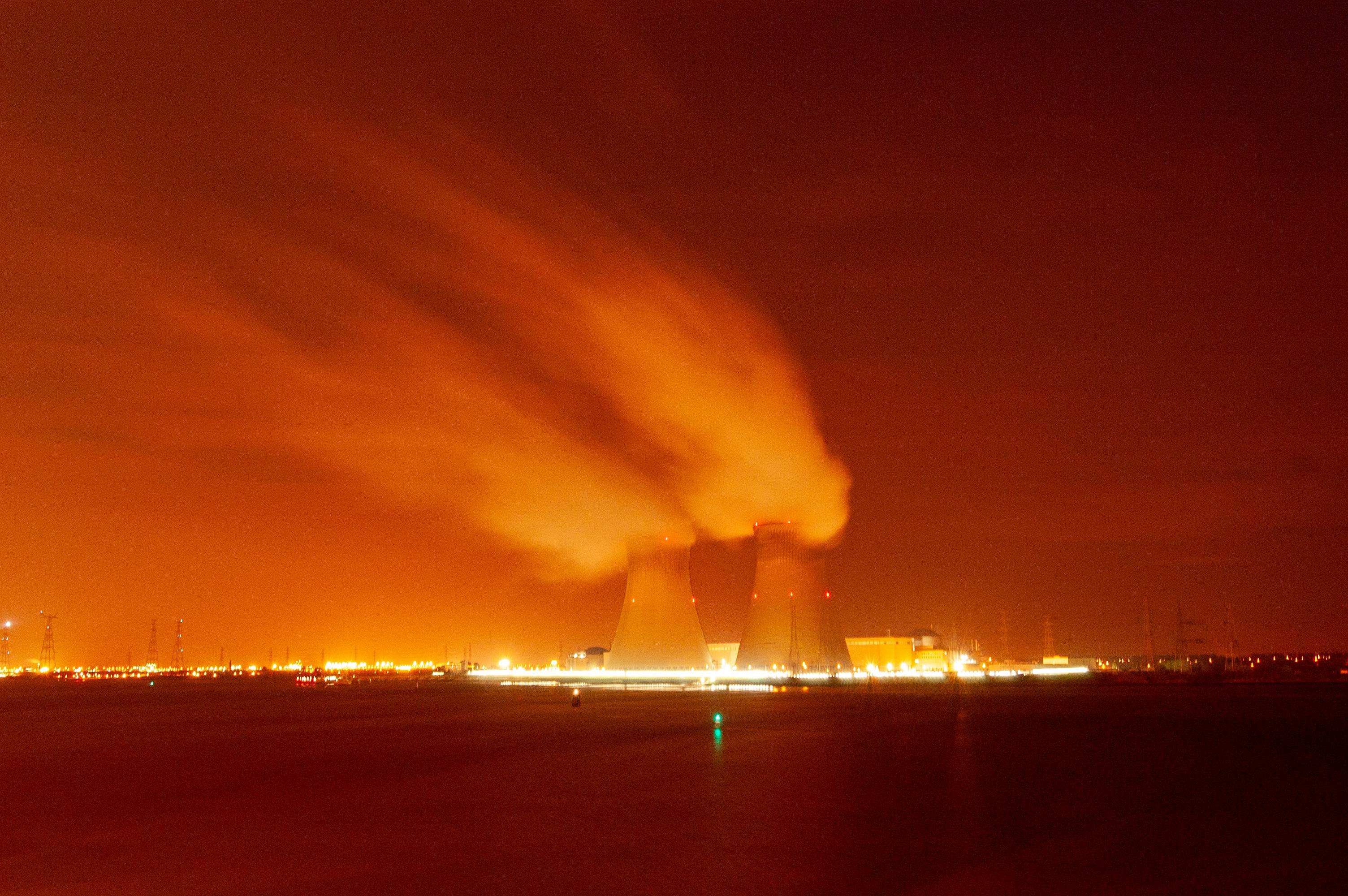
More than 100 firefighters remain deployed at Dunwich Heath near Leiston, Suffolk, where a destructive wildfire expanded across 150 hectares of coastal terrain over a 24-hour period. Emergency services reported that conditions have begun to stabilise following coordinated containment efforts that began on Wednesday evening. The rapidly moving fire forced precautionary evacuations across nearby residential areas and sensitive ecological habitats as thick smoke billowed across the surrounding countryside near the adjacent Sizewell nuclear complex.
WHO ARE THE KEY PLAYERS
The emergency response involves the Suffolk Fire and Rescue Service alongside regional emergency units, who deployed dozens of fire appliances and specialized wildfire control equipment. Local law enforcement officers coordinated temporary road closures and resident evacuations. Environmental wardens managing Dunwich Heath are assessing damage to protected wildlife habitats, while site managers at the neighbouring Sizewell nuclear facility monitored security perimeters in close coordination with emergency responders.
UNDERSTANDING THE LOCATION
Dunwich Heath is a protected coastal heathland situated near the town of Leiston in the eastern English county of Suffolk. The area consists of dense heather, gorse, and dry peat, making it highly susceptible to fast-spreading fires during periods of dry or windy weather. Directly adjacent to the heathland sits Sizewell, home to the operational Sizewell B nuclear power station and the developing Sizewell C facility, critical energy infrastructure assets for the United Kingdom.
BACKGROUND AND CONTEXT
Coastal heathlands across Britain have experienced heightened vulnerability to wildfires in recent years due to changing weather patterns, prolonged dry spells, and elevated ambient temperatures. Large fires on heathlands present unique suppression challenges because subterranean peat layers can retain extreme heat and reignite long after surface flames are extinguished. The proximity of Dunwich Heath to the Sizewell nuclear generation hub underscores the complex operational challenges faced by emergency planners when managing environmental hazards adjacent to national critical infrastructure.
EXPLAINING IMPORTANT REFERENCES
A hectare is a metric unit of area equal to 10,000 square metres or roughly 2.47 acres; the 150 hectares scorched by this fire represent a substantial footprint of sensitive coastal ecosystem. Nuclear power plants like Sizewell B operate under strict safety buffer protocols designed to protect power reactors, control buildings, and electrical distribution nodes from off-site environmental hazards such as forest fires or industrial accidents.
IMPACT ANALYSIS
The fire has caused immediate disruptions across eastern Suffolk, requiring emergency shelter arrangements for displaced residents and temporary closures of local transport routes. Ecologically, the loss of 150 hectares of rare heathland habitat poses a severe blow to nesting birds, rare insects, and plant species unique to the Suffolk coastline. Industrially, while nuclear operations remained secure, the incident highlights heightened risk profiles for critical infrastructure located adjacent to combustible natural landscapes.
WHAT HAPPENS NEXT
Fire crews will maintain a strong presence on Dunwich Heath over the coming days to damp down hotspots and prevent sub-surface peat fires from rekindling. Environmental agencies and conservation bodies will initiate ecological impact assessments once the site is declared fully safe. Additionally, local emergency authorities and nuclear safety regulators will review response times and perimeter defense strategies to refine disaster protocols for future wildfire events.
HERO PERSPECTIVE
Emergency teams faced a complex operational task in containing a 150-hectare fire within striking distance of the Sizewell nuclear power site near Leiston. While the deployment of over 100 firefighters successfully stabilized the flames after 24 hours, the incident underscores the vulnerability of critical energy infrastructure situated next to dry coastal heathlands. Safeguarding such high-consequence facilities requires continuous monitoring and robust vegetation management buffer zones along ecological boundaries.
CLOSING
As fire crews work to completely extinguish remaining embers across Dunwich Heath, the successful containment brings relief to local residents and facility managers alike, while serving as a stark reminder of the growing wildfire threats facing critical coastal regions.