
HEADLINE
The Palm-Sized Greengrocer Cicada: Australia's 120-Decibel Invertebrate Phenomenon
OPENING HOOK
Long before modern video games or trading cards captured the imagination of youth, Australian children tracked down a very different kind of collectible: a loud, bright green insect capable of producing a sound as deafening as a jet engine taking off.
WHAT HAPPENED
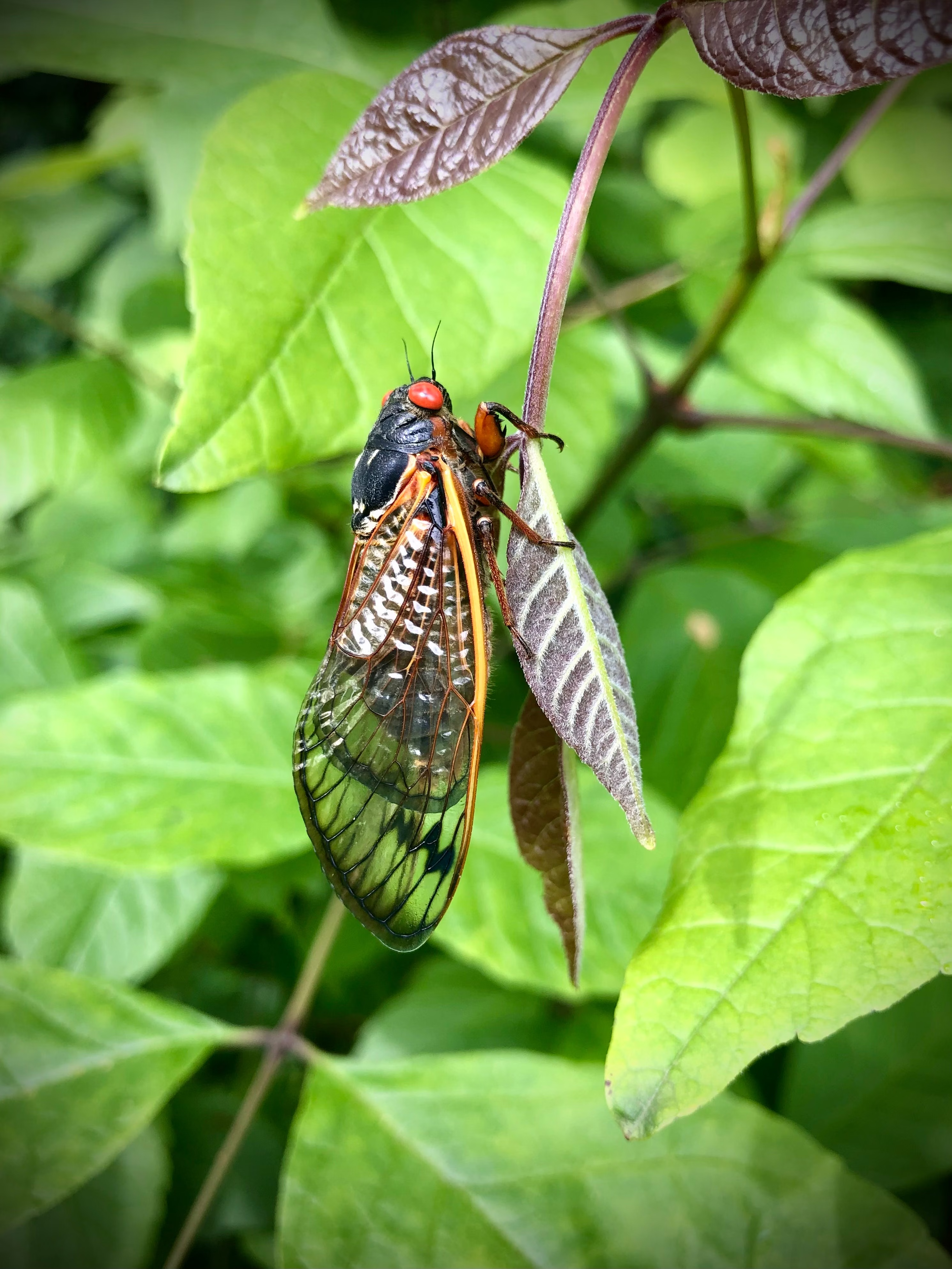
Entomologists and nature enthusiasts have spotlighted the greengrocer cicada among the top invertebrates of the year, drawing fresh attention to its remarkable physical attributes and cultural footprint. Scientifically known as *Cyclochila australasiae*, this palm-sized insect is celebrated for its vibrant coloration and an acoustic output that can top 120 decibels, pushing right against the human threshold of pain.
WHO ARE THE KEY PLAYERS
While no single individual or corporate entity drives this natural phenomenon, the primary actors in this story are the cicadas themselves—specifically the greengrocer species—alongside Australian children who historically collected them, and entomologists who study invertebrate biodiversity and acoustic ecology.
UNDERSTANDING THE LOCATION
This phenomenon takes place primarily across the wooded landscapes, suburban gardens, and urban parks of Australia, where summer temperatures trigger mass emergences of these insects from the soil.
BACKGROUND AND CONTEXT
Cicadas belong to the order Hemiptera, commonly known as true bugs. There are thousands of cicada species globally, but Australia boasts a particularly rich diversity of endemic species. Historically, Australian children engaged in a seasonal craze of collecting greengrocers, yellow Mondays, and other color morphs of the same species before digital entertainment and modern trading cards took over.
EXPLAINING IMPORTANT REFERENCES
Decibels measure the intensity of sound. A level of 120 decibels is comparable to the noise of a commercial jet taking off from close range and can cause immediate discomfort or hearing damage to human ears if exposed for prolonged periods. Invertebrates are animals without backbones, a vast group that includes insects, spiders, and molluscs.
IMPACT ANALYSIS
This renewed focus on invertebrate biodiversity helps scientists track ecosystem health. Cicadas play a vital ecological role by aerating the soil during their nymph stage underground and serving as a crucial food source for birds, reptiles, and small mammals when they emerge.
WHAT HAPPENS NEXT
Researchers will continue to monitor cicada population cycles and the impacts of urban development and climate shifts on their underground development phases and seasonal emergences.
HERO PERSPECTIVE
The greengrocer cicada (*Cyclochila australasiae*) demonstrates how urban wildlife thrives alongside human habitats, producing a distinct 120-decibel call that anchors seasonal memories across generations of Australians.
CLOSING
As nature continues to surprise with its remarkable adaptations, the greengrocer cicada remains an enduring symbol of Australia's vibrant and noisy natural heritage.