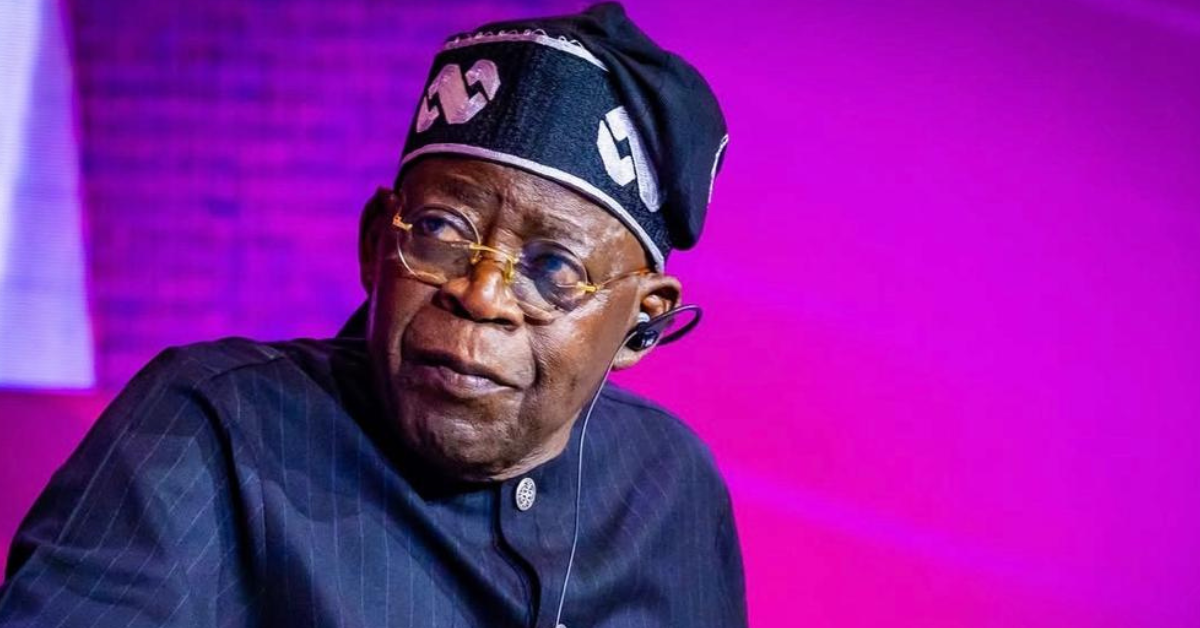
Tinubu Pushes for West African Production Hub as New ECOWAS Headquarters Opens
As a new symbol of regional cooperation rises in Abuja, Nigeria's President Bola Ahmed Tinubu is challenging West African nations to redefine their economic integration strategy.
HEADLINE
Tinubu Pushes for West African Production Hub as New ECOWAS Headquarters Opens
OPENING HOOK
As a new symbol of regional cooperation rises in Abuja, Nigeria's President Bola Ahmed Tinubu is challenging West African nations to redefine their economic integration strategy, urging a pivotal shift towards self-sufficiency and industrial growth.
WHAT HAPPENED
President Bola Ahmed Tinubu has reiterated Nigeria's unwavering commitment to the economic integration of West Africa, urging member states of the Economic Community of West African States (ECOWAS) to transition from merely being a regional market to becoming a robust regional production base. This renewed call for deeper economic collaboration coincided with the official opening of the new ECOWAS headquarters in Abuja, a state-of-the-art facility largely funded and constructed by the People's Republic of China.
WHO ARE THE KEY PLAYERS
* **President Bola Ahmed Tinubu:** The current President of Nigeria and, by tradition, the Chairman of the ECOWAS Authority of Heads of State and Government. He is a key advocate for economic reforms and regional development within Nigeria and across West Africa.
* **Economic Community of West African States (ECOWAS):** A regional political and economic union comprising fifteen countries in West Africa. Established to promote economic integration, its primary goal is to foster collective self-sufficiency by creating a single large trading bloc, facilitating free movement of people, goods, and services.
* **People's Republic of China:** A major global economic and political power, known for its extensive investments and infrastructure development projects across Africa, often associated with its Belt and Road Initiative. China's role in constructing the ECOWAS headquarters highlights its growing diplomatic and economic influence in the region.
UNDERSTANDING THE LOCATION
The new ECOWAS headquarters is situated in Abuja, the federal capital city of Nigeria. Abuja, centrally located within Nigeria, serves as a hub for numerous regional and international organizations, making it a strategic choice for the ECOWAS secretariat. Its location in Nigeria, West Africa's most populous nation and largest economy, underscores the significant role Nigeria plays within the community and its aspirations for regional leadership.
BACKGROUND AND CONTEXT
ECOWAS was established in 1975 with the Treaty of Lagos, primarily to foster economic integration among its member states. Over the decades, it has pursued various initiatives, including a free trade area, a common external tariff, and efforts towards a single currency, though progress has often been slow due to diverse economic structures and political challenges. The region continues to grapple with issues like political instability, insecurity, and widespread poverty. China's engagement in Africa, particularly in infrastructure development, has been a defining feature of the 21st century, often involving substantial loans and construction contracts. This new headquarters is a visible outcome of such partnerships, reflecting China's growing diplomatic and economic footprint across the continent.
EXPLAINING IMPORTANT REFERENCES
* **Regional Integration:** This refers to the process by which countries in a geographic region cooperate to achieve common goals, typically economic, through shared policies and institutions. For ECOWAS, it means removing trade barriers, harmonizing economic policies, and facilitating the free movement of goods, services, capital, and people across member states.
* **Regional Market vs. Regional Production Base:** President Tinubu's distinction is crucial. A "regional market" primarily focuses on facilitating the buying and selling of goods, often imported, within the region. In contrast, a "regional production base" emphasizes developing local manufacturing, agricultural processing, and service industries within member states to produce goods and services for regional consumption and export. This shift aims to boost local economies, create jobs, and reduce reliance on external imports, akin to moving from simply selling imported motorcycle parts (like for *okada*) to actually manufacturing the entire motorcycle within the region.
IMPACT ANALYSIS
President Tinubu's call, if effectively pursued, could significantly transform West Africa's economic landscape. By focusing on production, the region could reduce its vulnerability to global supply chain disruptions and volatile commodity prices, which often impact the cost of everyday necessities like fuel and food. For Nigeria, it means leveraging its large market and resources to drive industrialization and job creation, potentially reducing youth unemployment, a persistent challenge that affects millions of households. However, achieving this requires substantial investment in critical infrastructure, skilled labour, and a stable policy environment across all member states, which have varying economic capacities and political stability. The Chinese-built headquarters, while a symbol of cooperation, also highlights the region's reliance on external partners for significant development projects, raising questions about long-term self-sufficiency and strategic autonomy.
WHAT HAPPENS NEXT
The immediate challenge lies in translating President Tinubu's vision into concrete policies and actionable plans. This will likely involve ECOWAS member states developing robust industrial policies, investing heavily in critical infrastructure like reliable power supply and efficient transportation networks, and fostering an environment conducive to intra-regional trade and investment. Discussions will likely intensify on harmonizing customs procedures, standardizing products to meet regional quality benchmarks, and addressing non-tariff barriers that currently hinder the free flow of goods. The long-standing aspiration for a common currency, such as the proposed Eco, may also gain renewed momentum as a facilitator of deeper economic integration, though significant hurdles related to macroeconomic convergence remain.
HERO PERSPECTIVE
Leverage On Heroes Media believes that President Tinubu's call for West Africa to evolve into a regional production hub is not just an economic strategy but a vital step towards true self-determination and sustainable prosperity. While infrastructure development, even with external support, is commendable, the true test of regional integration lies in empowering local industries and fostering an environment where West African ingenuity can thrive. This approach promises to reduce external dependency, create meaningful employment opportunities for our teeming population, and build a more resilient and equitable future for all citizens across the sub-region.
CLOSING
The opening of the new ECOWAS headquarters symbolizes a renewed commitment to regional aspirations. The real work, however, begins with the collective political will to transform rhetoric into tangible economic empowerment for millions across West Africa, ensuring that the benefits of integration are felt in every home and market.