
HEADLINE
Top Shas Rabbi Signals Potential Shift from Netanyahu Amidst Haredi Draft Controversy
OPENING HOOK
In a development that could reshape Israel's political landscape, a leading spiritual authority within the ultra-Orthodox Shas party has hinted at a significant re-evaluation of its traditional alliances. This potential pivot comes amidst simmering discontent over the government's failure to secure exemptions from military service for Haredi men, a cornerstone issue for the party's religious constituency.
WHAT HAPPENED
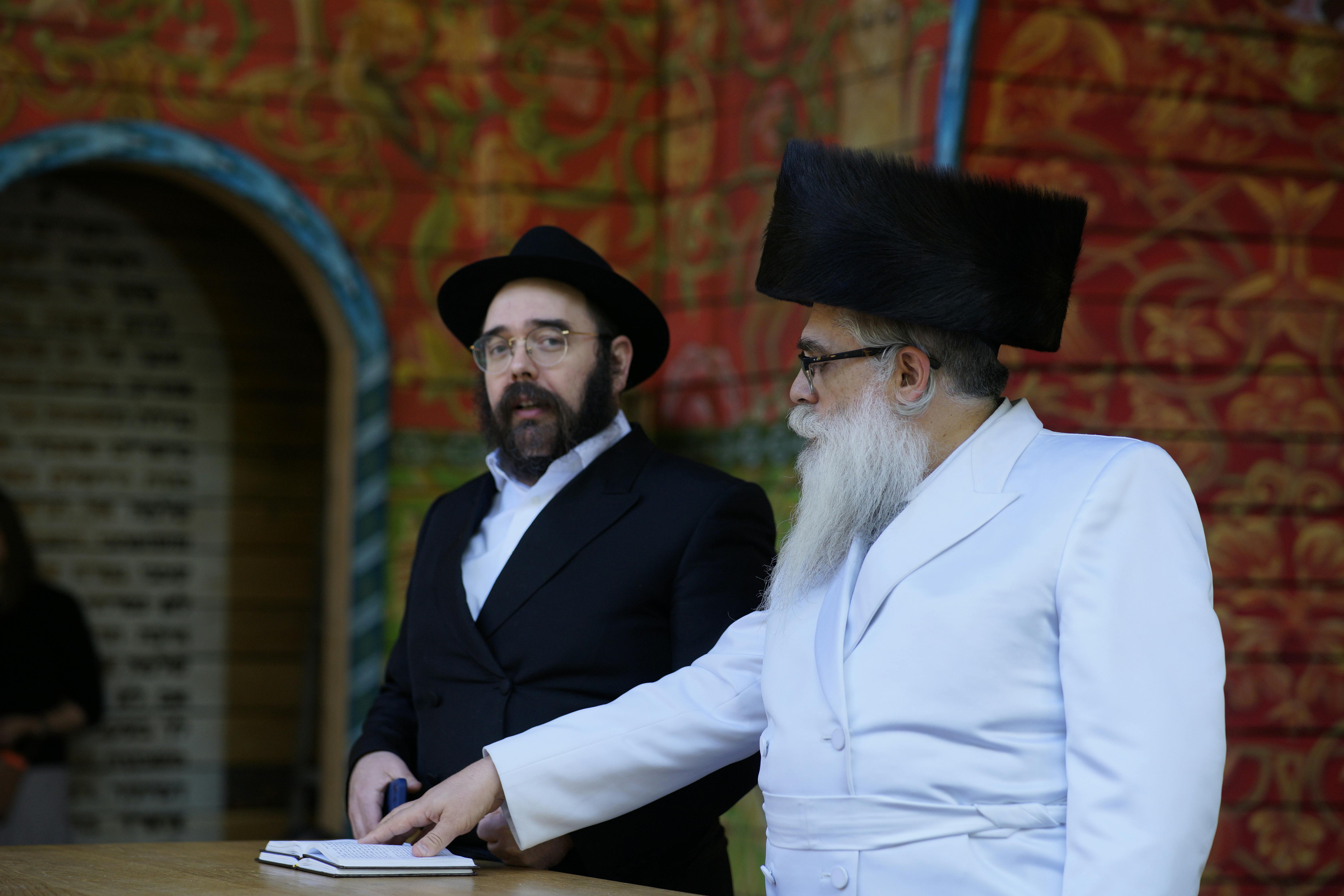
Rabbi Yitzhak Yosef, the spiritual head of the Shas party and Israel's Sephardic Chief Rabbi, recently signaled a potential openness to working with Gadi Eisenkot, a prominent opposition figure, rather than continuing an unwavering alliance with incumbent Prime Minister Benjamin Netanyahu. Rabbi Yosef reportedly expressed that while Prime Minister Netanyahu might never 'repent' or change his stance on certain issues, his challenger, Eisenkot, still might. This statement is understood as a reflection of Shas's growing frustration, particularly concerning the contentious issue of Israel Defense Forces (IDF) exemptions for ultra-Orthodox Jewish men, a matter of deep importance to the party's base.
WHO ARE THE KEY PLAYERS
**Rabbi Yitzhak Yosef:** He holds the esteemed position of Sephardic Chief Rabbi of Israel, a significant religious authority, and is the spiritual leader of the Shas political party. His pronouncements carry immense weight within the ultra-Orthodox Sephardic community and directly influence Shas's political direction.
**Shas:** This is an ultra-Orthodox (Haredi) political party in Israel, primarily representing Sephardic Jews (Jews of Middle Eastern and North African descent). Founded in 1984, Shas has historically been a key coalition partner in many Israeli governments, often playing the role of kingmaker due to its consistent electoral performance. Its core agenda includes promoting religious education, social welfare for its community, and, critically, securing exemptions from military service for Haredi men.
**Benjamin Netanyahu:** The current Prime Minister of Israel, a position he has held for multiple terms, making him Israel's longest-serving premier. A leader of the Likud party, Netanyahu has dominated Israeli politics for decades. His political career has been defined by his conservative policies and strong stance on security. Shas has been a long-standing, crucial partner in his right-wing coalitions.
**Gadi Eisenkot:** A former Chief of Staff of the Israel Defense Forces (IDF), Eisenkot is a respected military figure who has transitioned into politics. He is currently a member of the Knesset (Israel's parliament) and a leading figure in the opposition. His background as a military leader gives him a unique perspective on national security issues, including the debate surrounding Haredi enlistment.
UNDERSTANDING THE LOCATION
This political development unfolds in **Israel**, a country in the Middle East with a parliamentary democracy. Its political system is characterized by a multi-party landscape, where coalition governments are the norm. The Knesset, Israel's unicameral parliament, is where these political alliances are forged and broken. The country's unique demographic composition, particularly the significant and growing ultra-Orthodox population, often brings religious and national identity issues to the forefront of political debate, as seen in the military draft controversy.
BACKGROUND AND CONTEXT
The issue of military service for Haredi men has been a persistent and deeply divisive topic in Israel for decades. Unlike most Israeli citizens who are mandated to serve in the Israel Defense Forces (IDF) upon turning 18, ultra-Orthodox men have historically received exemptions, allowing them to pursue full-time religious studies. This arrangement, rooted in the early days of the state, was intended to preserve religious scholarship. However, as the Haredi population grew and security challenges intensified, the exemptions have become a source of profound resentment among secular and modern-Orthodox Israelis who bear the burden of military service. Calls for greater equality in service have intensified, particularly in recent times. Shas, alongside other ultra-Orthodox parties, views these exemptions as essential for maintaining their way of life and religious identity, often threatening to leave any government that fails to protect this status quo. The current Netanyahu government, heavily reliant on ultra-Orthodox parties for its majority, has struggled to find a legislative solution acceptable to all factions, leading to the current political tension.
EXPLAINING IMPORTANT REFERENCES
**IDF Exemptions for Haredi Men:** The Israel Defense Forces (IDF) is Israel's military. For most Israeli citizens, military service is compulsory. However, Haredi (ultra-Orthodox) men have historically been largely exempt from this service to allow them to dedicate their lives to Torah study in yeshivas (religious seminaries). This policy is deeply controversial, seen by many as unfair, especially by those who serve and pay taxes. For the Haredi community, this exemption is seen as vital for the preservation of their religious and cultural identity. The failure of the current government to pass a new law solidifying these exemptions, after a previous one expired, has left the Haredi community vulnerable to potential conscription, fueling Shas's discontent.
IMPACT ANALYSIS
Rabbi Yosef's statement carries significant weight and could have far-reaching implications for Israeli politics. If Shas were to genuinely shift its allegiance, it could destabilize Prime Minister Netanyahu's current coalition, potentially leading to its collapse and triggering new elections. For our Nigerian audience, imagine a major political party, a consistent ally, suddenly expressing a preference for an opposition figure; it signals a deep crack in the ruling alliance. This move reflects the increasing pressure within the ultra-Orthodox community to secure their exemptions, a non-negotiable issue for Shas. A shift could empower the opposition, potentially leading to a more centrist or left-leaning government, or at least one that might approach the Haredi draft issue differently. It also highlights the enduring power of religious leaders in shaping political outcomes in Israel, where spiritual authority often translates directly into political leverage.
WHAT HAPPENS NEXT
Following Rabbi Yosef's remarks, attention will now turn to how Shas and other ultra-Orthodox parties navigate the ongoing legislative efforts regarding the Haredi draft law. The coming weeks and months will likely see intense negotiations within the coalition to appease Shas and prevent a defection. Should a satisfactory solution not be found, Shas could indeed withdraw its support, potentially forcing Prime Minister Netanyahu to seek new partners or face a vote of no confidence. This could either lead to a reshuffling of the government or, more likely, another round of national elections. The political future of Israel hinges significantly on the resolution of this deeply entrenched socio-religious issue and the strategic decisions of its religious parties.
HERO PERSPECTIVE
Leverage On Heroes Media views this development as a critical illustration of the complex interplay between religious authority, military service, and political stability in a democratic nation. The potential shift by Shas underscores the enduring power of community identity and religious principles as drivers of political action, even for long-standing alliances. It serves as a reminder that even in seemingly stable political environments, core ideological issues can trigger significant realignments, with profound implications for governance and national unity.
CLOSING
As the debate over military service for Haredi men continues to unfold, the statements from Rabbi Yitzhak Yosef have injected a new layer of uncertainty into Israel's already intricate political landscape. All eyes will be on Jerusalem as parties attempt to navigate this delicate balance between religious tradition, civic duty, and political survival.