
HEADLINE
Umahi Defends Tinubu's Infrastructure Drive: Why Nigeria Prioritises Spending Over Savings
OPENING HOOK
The Federal Government's economic philosophy, particularly its approach to national savings versus direct investment, has become a central point of discussion. At the heart of this debate, the Minister of Works, Senator David Umahi, has offered a robust defence of the current administration's strategy, emphasizing infrastructure development as the cornerstone of Nigeria's economic future.
WHAT HAPPENED
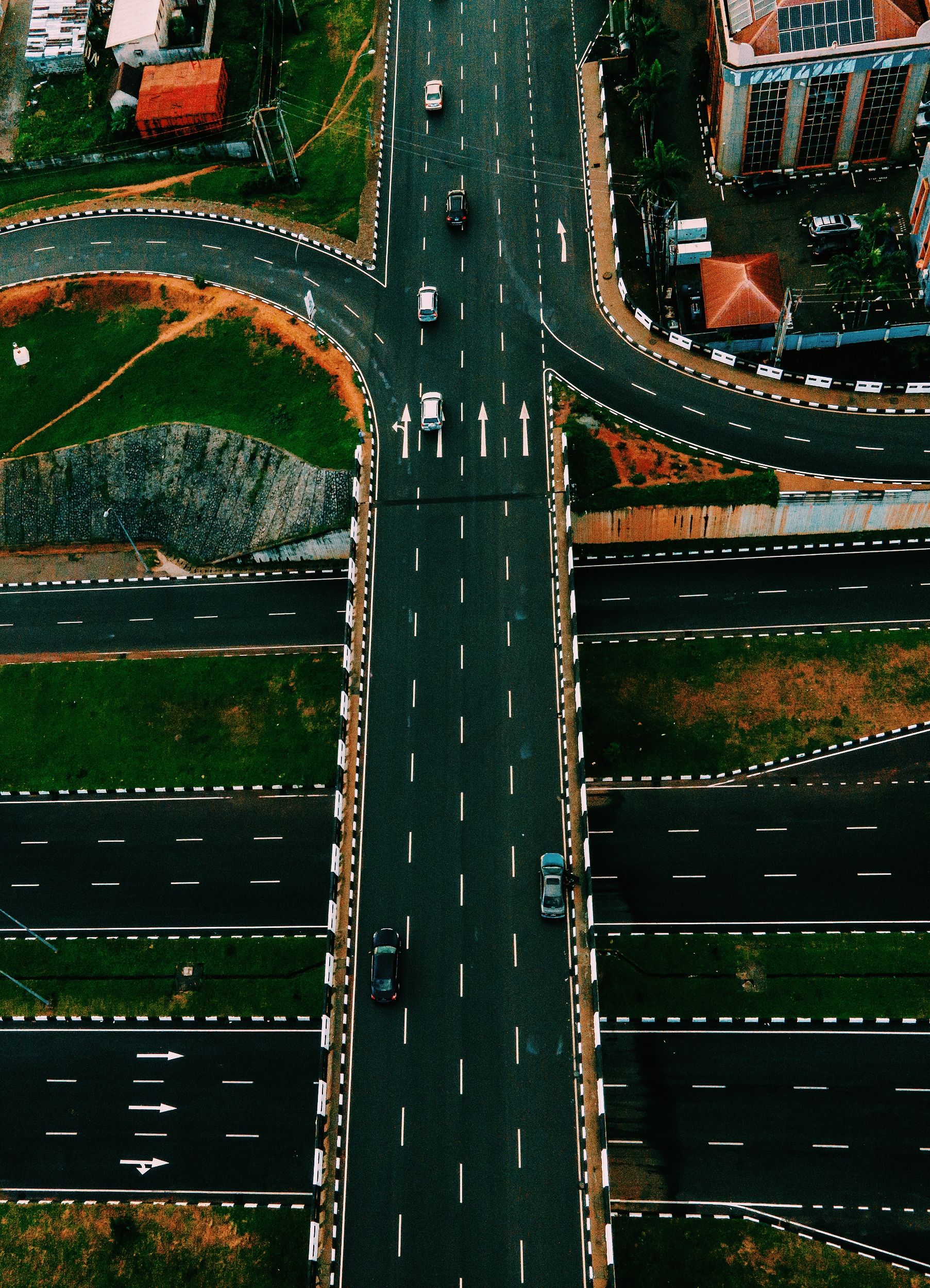
On Monday, while inspecting the ongoing construction of the ambitious Calabar-Abuja Super Highway at the border between Ebonyi and Benue states, Senator David Umahi, the Minister of Works, publicly defended President Bola Ahmed Tinubu's administration's economic policies. He stated that the government's decision to channel funds into critical infrastructure rather than accumulating substantial financial reserves is a deliberate and strategic move. According to Umahi, no responsible government would prioritize saving money when essential infrastructure remains underdeveloped and citizens grapple with pressing economic challenges.
WHO ARE THE KEY PLAYERS
**Senator David Umahi** is Nigeria's current Minister of Works. Before his ministerial appointment, he served as the Governor of Ebonyi State for two terms and subsequently as a Senator representing Ebonyi South Senatorial District. His role places him at the forefront of the nation's infrastructure development agenda, making him a key spokesperson for the government's investment strategy.
**President Bola Ahmed Tinubu** is the incumbent President of Nigeria. His administration, which began on May 29, 2023, has emphasized economic reforms and infrastructure development as key pillars of its Renewed Hope agenda. Umahi's statements directly defend the economic policies formulated and implemented under President Tinubu's leadership.
**The Federal Government of Nigeria** refers to the central governing body of the country, responsible for national policy, security, and economic direction. In this context, it represents the collective decision-making apparatus that has adopted the strategy of prioritizing infrastructure spending.
UNDERSTANDING THE LOCATION
The **Calabar-Abuja Super Highway** is a monumental infrastructure project designed to connect the port city of Calabar in Cross River State to the Federal Capital Territory, Abuja. This highway is envisioned to significantly improve connectivity, reduce travel time, and boost economic activities across several states. The specific location of Senator Umahi's remarks—the **Ebonyi-Benue boundary**—is a critical point along this proposed superhighway. Ebonyi State, located in the South-East geopolitical zone, and Benue State, in the North-Central zone, are vital agricultural hubs. Improved road networks here are expected to facilitate the movement of goods and people, linking the South-South's coastal resources with the agricultural heartland and the nation's capital.
BACKGROUND AND CONTEXT
Nigeria has historically grappled with significant infrastructure deficits, impacting economic productivity and the ease of doing business. Past administrations have often faced the dilemma of whether to build up national savings, typically held in foreign reserves or sovereign wealth funds, or to invest heavily in visible projects. The argument for savings often centres on fiscal prudence, macroeconomic stability, and preparedness for economic shocks, akin to a family saving for a rainy day or a major future expense. However, the counter-argument, championed by the current administration, suggests that in a developing economy like Nigeria's, strategic investments in roads, power, and other critical infrastructure can yield higher returns by unlocking economic potential, creating jobs, and improving living standards for ordinary Nigerians. This debate has gained renewed urgency following recent economic reforms, including the removal of the petrol (PMS) subsidy, which freed up significant government revenue, prompting questions about its optimal utilization.
EXPLAINING IMPORTANT REFERENCES
**Infrastructure Spending:** This refers to government investment in fundamental physical and organizational structures and facilities needed for the operation of a society or enterprise. In Nigeria, this typically includes roads, bridges, railways, power plants, ports, airports, and digital communication networks. For an average Nigerian, good infrastructure means easier movement of farm produce to markets, reduced transport costs, and more reliable electricity for businesses and homes.
**Economic Growth:** This is the increase in the market value of the goods and services produced by an economy over time. The government's argument is that infrastructure spending stimulates growth by making businesses more efficient, attracting foreign investment, and expanding employment opportunities. This translates to more money in people's pockets, better access to essential services, and a general improvement in quality of life.
**Financial Reserves:** These are funds or assets held by a government or central bank (like the Central Bank of Nigeria) to meet future liabilities or to manage economic shocks. They can include foreign currency reserves, gold, or deposits in sovereign wealth funds. While offering a buffer against crises, the argument is that in Nigeria's current state, the opportunity cost of holding large idle reserves might outweigh the benefits of immediate, impactful development spending.
IMPACT ANALYSIS
The Federal Government's policy of prioritizing infrastructure spending holds significant implications. On one hand, a robust infrastructure network can unlock immense economic potential. Improved roads, for instance, can drastically cut down travel time and costs for transporters, leading to lower prices for goods in markets across geopolitical zones. This could spur agricultural productivity in states like Benue and Ebonyi, making it easier for farmers to get their produce to consumers in urban centres like Abuja and Calabar. Such investments are also expected to create direct and indirect jobs, from construction workers to suppliers and service providers, potentially boosting employment rates, especially among youth.
However, this approach also carries risks. Heavy spending without adequate fiscal discipline and transparency can lead to debt accumulation and potential wastage. Critics might argue that neglecting financial reserves could leave the nation vulnerable to external economic shocks, such as fluctuations in global oil prices, or make it harder to stabilize the naira. The key to the success of this strategy lies in efficient project execution, stringent oversight, and ensuring that the investments genuinely translate into tangible economic benefits for the majority of Nigerians, rather than just a select few.
WHAT HAPPENS NEXT
The debate between immediate development spending and long-term savings is likely to continue as the Federal Government pushes forward with its infrastructure agenda. Nigerians will be closely watching the progress of projects like the Calabar-Abuja Super Highway, seeking tangible evidence that these investments are indeed leading to improved economic conditions and better quality of life. The effectiveness of this policy will be measured not just by the completion of projects, but by their impact on the cost of living, job creation, and the overall stability of the Nigerian economy. Future fiscal policy decisions by the Central Bank of Nigeria and the Ministry of Finance will also provide further insights into how the government balances its spending priorities with macroeconomic stability.
HERO PERSPECTIVE
Leverage On Heroes Media believes that while the imperative to address Nigeria's infrastructure deficit is undeniable, the government's choice to prioritize spending over building substantial financial reserves demands rigorous transparency and accountability. It is a bold gambit that, if managed with integrity and efficiency, could transform the nation. However, without clear performance metrics, public participation in oversight, and stringent anti-corruption measures, this strategy risks becoming another avenue for fiscal leakage. The true heroes in this narrative will be the citizens who hold their leaders accountable to ensure that every naira spent on infrastructure genuinely contributes to a sustainable and inclusive economic future, rather than merely creating white elephants.
CLOSING
As Nigeria navigates its complex economic landscape, the government's commitment to infrastructure development as a primary driver for growth remains a defining policy. The success of this strategy hinges on its implementation, the tangible benefits it delivers to everyday Nigerians, and the judicious management of national resources amidst competing priorities. The nation watches keenly as these critical investments unfold.