HEADLINE
US Sanctions Target Conflict Minerals Fuelling Eastern DR Congo War Amidst Global Scrutiny
OPENING HOOK
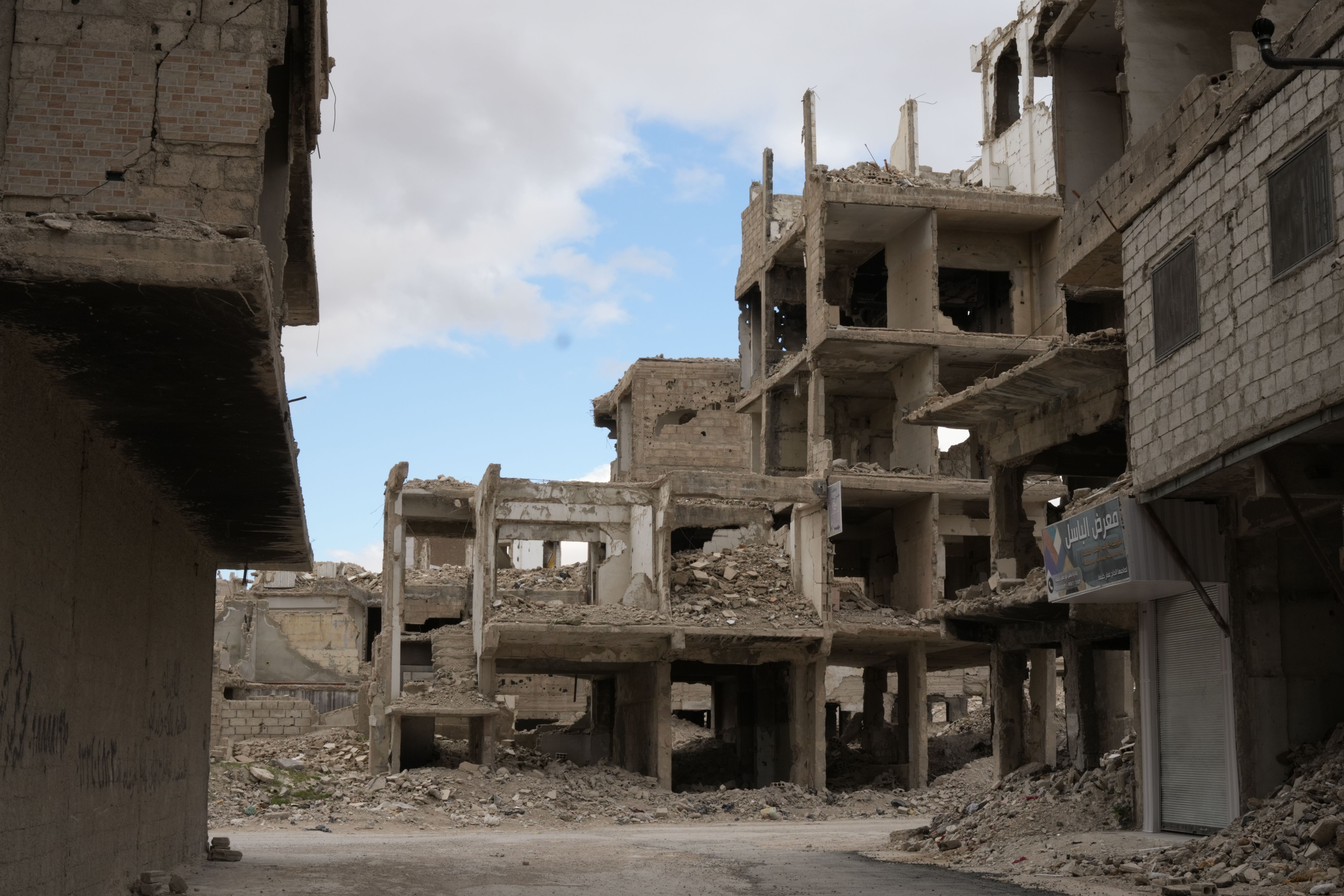
The enduring conflict in the eastern Democratic Republic of Congo, a brutal saga marked by unimaginable human suffering, continues to draw international attention, not just for its humanitarian toll but for the intricate web of illicit commerce that sustains it. At the heart of this tragedy lies the trade in 'conflict minerals,' a lucrative enterprise now squarely in the crosshairs of United States sanctions, signaling a renewed global effort to starve the war machine.
WHAT HAPPENED
The United States government has recently escalated its scrutiny and imposed sanctions aimed at individuals and entities involved in the trade of minerals originating from the eastern Democratic Republic of Congo (DR Congo). This significant move underscores the growing international pressure to disrupt the financial pipelines that allow various armed groups and militias to fund their operations, perpetuating decades of violence and instability in the mineral-rich region.
WHO ARE THE KEY PLAYERS
**The United States:** A global superpower, its government, through its Treasury Department, has the authority to impose economic sanctions to achieve foreign policy goals. In this context, it seeks to curb violence by targeting financial facilitators.
**Democratic Republic of Congo (DR Congo):** A vast Central African nation, rich in natural resources, particularly minerals. It has been plagued by chronic instability and conflict, especially in its eastern provinces, for decades.
**Armed Groups and Militias:** Numerous non-state armed actors, including local self-defense groups, foreign rebel factions, and criminal networks, operate in eastern DR Congo. These groups exploit mineral resources, extort locals, and engage in widespread human rights abuses.
**Mining Companies and Traders:** Both legitimate and illicit actors involved in the extraction, processing, and sale of minerals from DR Congo. Some knowingly or unknowingly contribute to the conflict mineral supply chain.
**Civilians of Eastern DR Congo:** The primary victims of the conflict, enduring displacement, violence, and exploitation, often forced into dangerous mining conditions.
UNDERSTANDING THE LOCATION
**Eastern DR Congo** refers primarily to the provinces of North Kivu, South Kivu, Ituri, and Maniema. This region is a hotbed of mineral wealth, containing significant deposits of coltan (used in mobile phones and electronics), cassiterite (tin ore), wolframite (tungsten ore), and gold. Its porous borders with Rwanda, Uganda, and Burundi, coupled with weak governance, have made it a sanctuary for armed groups and a hub for illicit trade. The region's rugged terrain and dense forests also make monitoring and enforcement extremely challenging.
BACKGROUND AND CONTEXT
The link between minerals and conflict in DR Congo is not new. The First and Second Congo Wars (1996-2003) drew in multiple neighboring countries and left millions dead, with control over mineral resources a significant driver. Even after official peace accords, localized conflicts persisted, often fueled by competing interests over mines. International efforts, such as the US Dodd-Frank Act's Section 1502 in 2010, attempted to mandate supply chain due diligence for companies using 'conflict minerals' from DR Congo. However, enforcement and the complex realities on the ground have meant that the illicit trade has largely continued, adapting to new regulations and finding new routes to market. The current US sanctions represent a more targeted approach, aiming to hit the financial networks directly.
EXPLAINING IMPORTANT REFERENCES
**Conflict Minerals:** These are minerals whose exploitation and trade directly or indirectly finance armed groups, perpetuate conflict, and contribute to severe human rights abuses. The primary conflict minerals from DR Congo are coltan, cassiterite, wolframite, and gold. For a Nigerian audience, think of it like oil bunkering, where illicit trade funds criminal enterprises, but instead of oil, it’s precious metals.
**US Sanctions:** These are punitive measures, typically economic, imposed by the United States government against foreign countries, entities, or individuals. They can include asset freezes, travel bans, and restrictions on financial transactions, designed to pressure targets into changing their behavior. These are not unlike the asset freezes and travel bans the Economic and Financial Crimes Commission (EFCC) might impose on individuals suspected of financial crimes here in Nigeria, but on an international scale.
**Eastern DR Congo:** As mentioned, this region is vital due to its vast mineral wealth and strategic location. The ongoing conflict has created a humanitarian crisis, with millions displaced, and has severely hindered development despite the immense natural resources.
IMPACT ANALYSIS
The impact of these US sanctions could be multifaceted. Ideally, they aim to cut off funding to armed groups, potentially reducing their capacity to procure weapons and conduct operations, leading to a decrease in violence and human rights abuses. For legitimate mining operations and traders, the sanctions could heighten due diligence requirements, pushing them towards more ethical sourcing. However, a significant challenge remains: the illicit trade is deeply entrenched. Sanctions might simply drive the trade further underground, making it harder to monitor and control. This could also inadvertently harm legitimate artisanal miners who depend on the trade for their livelihoods if not carefully managed. Regionally, the move might prompt neighboring countries, often transit points for these minerals, to enhance their own regulatory frameworks or face secondary sanctions.
WHAT HAPPENS NEXT
The immediate future will see intensified monitoring by the US and international bodies to assess the effectiveness of these sanctions. Companies globally, particularly those in the electronics and jewelry sectors, will face increased pressure to ensure their supply chains are free of conflict minerals, potentially leading to more robust auditing and certification processes. However, armed groups are resourceful and may seek alternative funding sources or develop more sophisticated smuggling networks. The long-term solution will require not just sanctions but sustained diplomatic efforts, security sector reform within DR Congo, and genuine economic development opportunities for local communities to reduce their reliance on conflict-driven economies. Without a comprehensive approach, sanctions alone may only shift the problem.
HERO PERSPECTIVE
Leverage On Heroes Media stands firm on the principle that no economic gain should ever come at the cost of human lives and dignity. Our editorial angle emphasizes the urgent need for global accountability in supply chains. We believe that consumers, corporations, and governments all have a role to play in ensuring that the devices we use and the products we buy are not stained with the blood of innocent people in places like eastern DR Congo. It's time to move beyond mere declarations and enforce real change, holding those who profit from conflict directly responsible.
CLOSING
The renewed focus on conflict minerals in eastern DR Congo, spearheaded by US sanctions, marks a critical juncture in the long-running struggle for peace and stability in the region. While the path to ethical sourcing and lasting peace is fraught with challenges, this decisive action sends a clear message: the international community is increasingly unwilling to tolerate the trade that fuels such devastating conflicts. The real test now lies in the sustained resolve to enforce these measures and support the people of DR Congo in their quest for a future free from violence.