
HEADLINE
Whistleblower Alleges Rushed Kennedy Center Renovations Under Trump Administration: A Call for Accountability
OPENING HOOK
In a development raising serious questions about the integrity of public works and oversight, a prominent Democratic Senator has revealed claims from an anonymous whistleblower, suggesting that significant renovation projects at America's revered John F. Kennedy Center for the Performing Arts were allegedly fast-tracked, potentially compromising quality, all in an effort to appease the then-sitting President, Donald J. Trump.
WHAT HAPPENED
Senator Sheldon Whitehouse, a Democrat representing Rhode Island in the United States Senate, has detailed allegations from a whistleblower regarding the renovation of the John F. Kennedy Center for the Performing Arts. The claims suggest that these critical projects were expedited under pressure to align with President Donald J. Trump's preferences and timeline. According to the whistleblower, this rush resulted in substandard work, including instances of rusting columns, uneven paint application, and unnecessary demolition, raising concerns about the prudent use of taxpayer money and the longevity of the repairs.
WHO ARE THE KEY PLAYERS
**Senator Sheldon Whitehouse** is a Democratic Senator for Rhode Island, currently serving in the United States Senate. Known for his focus on environmental issues and government oversight, his role in this matter highlights a legislative commitment to ensuring transparency and accountability in federal projects.
**President Donald J. Trump** is the incumbent President of the United States, having served since January 20, 2025. During his previous term, his administration was known for its emphasis on infrastructure and public aesthetics. The allegations suggest that his perceived desire for swift completion influenced the pace and quality of the Kennedy Center renovations.
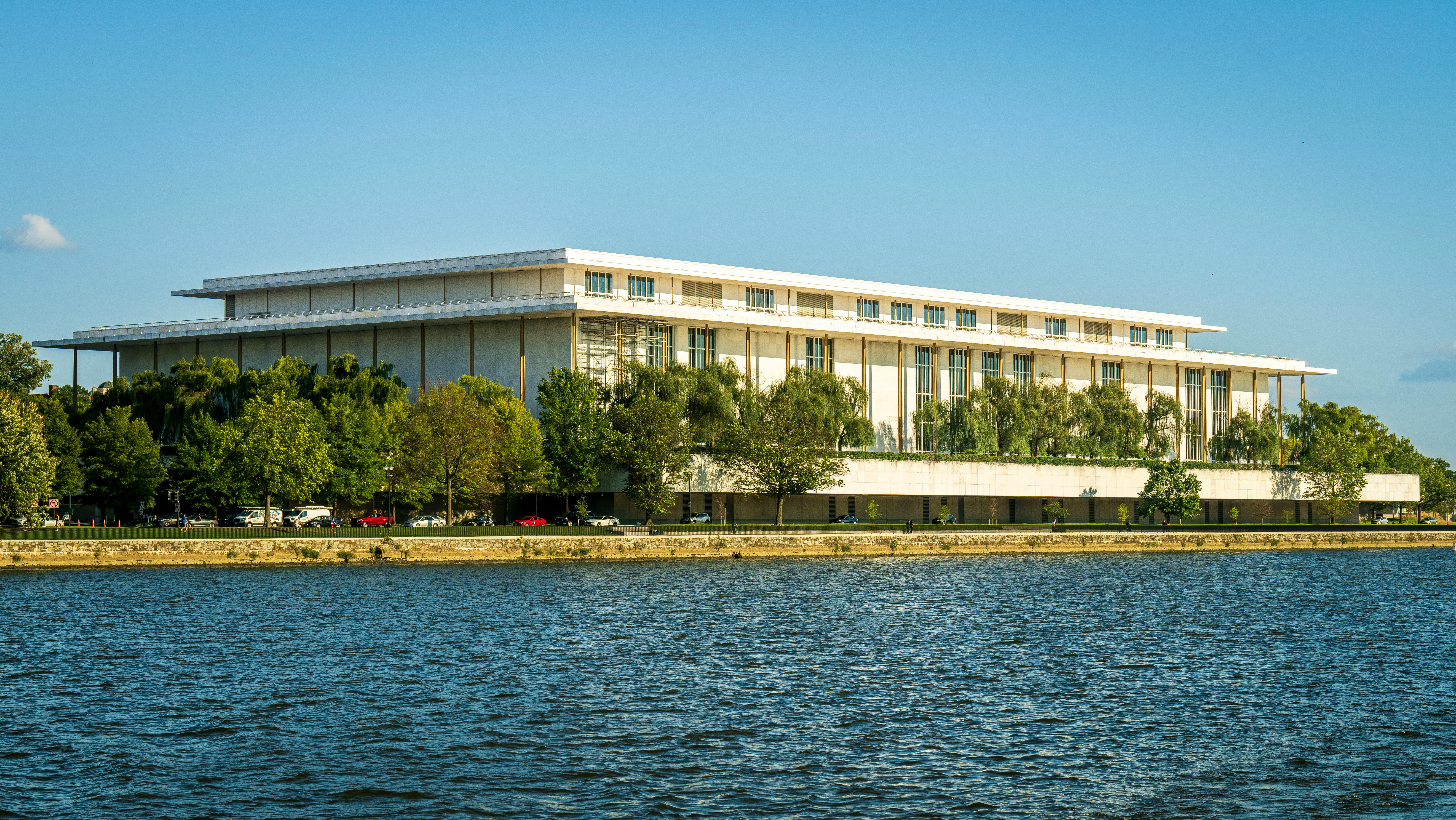
**The John F. Kennedy Center for the Performing Arts** is the United States' national cultural center, located in Washington, D.C. It is a living memorial to President John F. Kennedy, presenting a wide array of performing arts and serving as a major cultural landmark.
UNDERSTANDING THE LOCATION
The **John F. Kennedy Center for the Performing Arts** is situated on the Potomac River in Washington, D.C., the capital city of the United States. Its prominent location makes it a symbol of American culture and international diplomacy. The reported issues with its renovation touch upon the maintenance of a national treasure, a place that hosts countless performances, events, and dignitaries annually.
BACKGROUND AND CONTEXT
The Kennedy Center, established in 1971, has undergone various renovations and expansions over its history to maintain its facilities and accommodate evolving artistic needs. The allegations surface against a backdrop where government spending on infrastructure and public buildings often faces scrutiny. The Trump administration, during its previous tenure, frequently expressed strong opinions on the aesthetics and efficiency of federal projects, sometimes leading to public discourse on the balance between speed and quality in construction. This situation echoes historical concerns about political influence on publicly funded projects, where the desire for visible achievements can sometimes override meticulous planning and execution.
EXPLAINING IMPORTANT REFERENCES
A **whistleblower** is an individual who exposes information, often illicit, about an organization or institution, typically from within. In this context, the whistleblower is an anonymous source providing insider details about alleged irregularities at the Kennedy Center, playing a crucial role in bringing potential misconduct to light.
**Renovations** refer to the process of restoring or improving a building or structure. For a national landmark like the Kennedy Center, renovations are essential for safety, functionality, and aesthetic preservation, often involving significant public funding. The core of the allegation is that these renovations were conducted with undue haste, leading to issues like 'rusting columns' and 'uneven paint,' implying a failure to meet professional standards.
IMPACT ANALYSIS
If these allegations prove true, the implications are significant. Firstly, public trust in government contracting and oversight could diminish. Citizens expect their tax naira, or in this case, dollars, to be spent judiciously on quality work, not rushed projects that may require costly re-dos. Secondly, it raises questions about the long-term structural integrity and aesthetic value of a vital national cultural institution. Poor quality work now could mean higher maintenance costs and potential safety concerns in the future. Lastly, it highlights the persistent challenge of balancing political timelines with engineering and architectural best practices in public works.
WHAT HAPPENS NEXT
Senator Whitehouse's disclosure is likely to trigger further scrutiny. It is probable that congressional committees, particularly those with oversight responsibilities for federal spending and cultural institutions, will launch investigations. This could involve calling witnesses, reviewing project contracts, and commissioning independent assessments of the renovation work. The aim would be to verify the whistleblower's claims, identify any lapses in oversight, and hold responsible parties accountable. Depending on the findings, there could be calls for stricter regulations on federal contracting, remediation work at the Kennedy Center, and potentially legal actions if evidence of fraud or gross negligence is uncovered.
HERO PERSPECTIVE
Leverage On Heroes Media believes that transparency and accountability are the bedrock of good governance. This situation at the Kennedy Center, if substantiated, underscores the critical role of whistleblowers in safeguarding public interest and ensuring that national assets are managed with the utmost integrity. Our editorial stance is one of unwavering support for thorough investigations into allegations of rushed or substandard public works, especially when they touch upon institutions of cultural significance. We advocate for systems that prioritize quality and public trust over political expediency.
CLOSING
The revelations concerning the Kennedy Center renovations serve as a potent reminder that even the most iconic institutions are not immune to the pressures of political influence. As investigations unfold, the focus must remain on uncovering the truth and ensuring that public funds are always utilized for durable, high-quality outcomes that truly serve the people.