
HEADLINE
2026 FIFA World Cup: North America Gears Up for Record-Breaking Football Extravaganza
OPENING HOOK
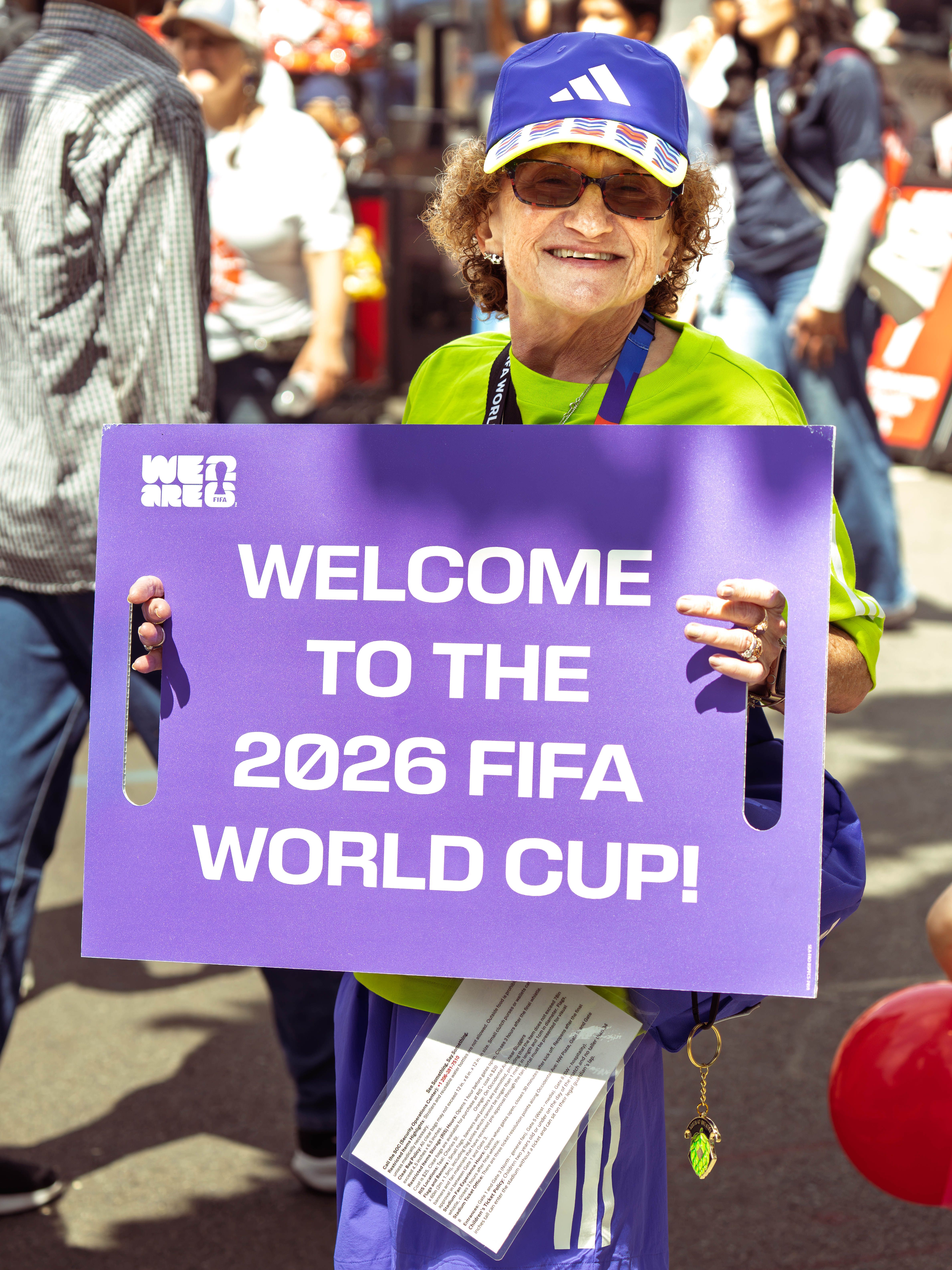
The global football community is buzzing as details emerge about the 2026 FIFA World Cup, set to be the largest and most expansive tournament in history, promising an unprecedented spectacle across North America.
WHAT HAPPENED
The schedule for the 2026 FIFA World Cup has been unveiled, confirming a monumental event featuring 104 matches spread across 16 cities in the United States, Canada, and Mexico. This expanded format, a significant increase from the traditional 64 games, means fans will be treated to a football feast lasting approximately five weeks. U.S. national team captain Tim Ream aptly described the scale, remarking to CBS News that it would feel like "a Super Bowl every single day for five weeks," highlighting the sheer volume and intensity of the upcoming competition.
WHO ARE THE KEY PLAYERS
**FIFA (Fédération Internationale de Football Association)**: This is the international governing body of association football, beach soccer, and futsal. Headquartered in Zurich, Switzerland, FIFA is responsible for organizing and promoting football's major international tournaments, most notably the FIFA World Cup.
**United States Soccer Federation (USSF)**, **Canada Soccer Association (CSA)**, and **Mexican Football Federation (FMF)**: These are the national governing bodies for football in their respective countries. They are jointly hosting the 2026 tournament, marking the first time the World Cup will be shared by three nations.
**Tim Ream**: A professional footballer who plays as a centre-back for Fulham and serves as the captain of the United States men's national team. His comments underscore the immense scale and excitement surrounding the expanded tournament from a player's perspective.
UNDERSTANDING THE LOCATION
The 2026 FIFA World Cup will be hosted across three North American nations: the **United States**, **Canada**, and **Mexico**. The United States, a vast country with a diverse population, will host the majority of the matches across 11 cities, including major metropolitan areas like New York, Los Angeles, and Miami. Canada, known for its multicultural cities like Toronto and Vancouver, will host games in two venues. Mexico, a nation with a rich footballing heritage, will also contribute three host cities, including the iconic Estadio Azteca in Mexico City, which will become the first stadium to host World Cup matches in three separate tournaments (1970, 1986, 2026).
BACKGROUND AND CONTEXT
The FIFA World Cup has evolved significantly since its inception in 1930. Historically featuring 16, then 24, and more recently 32 teams, the 2026 edition marks a major expansion to 48 national teams. This decision by FIFA aims to increase global participation and provide more nations with the opportunity to compete on the world stage. The last time the World Cup was held in North America was in 1994, solely in the United States, which remains the most attended World Cup in history. The joint bid for 2026, branded as 'United 2026', was selected in 2018, promising significant infrastructure and logistical advantages.
EXPLAINING IMPORTANT REFERENCES
**FIFA World Cup**: This is the most prestigious association football tournament in the world, contested by the senior men's national teams of FIFA's member associations. Held every four years, it is the most widely viewed and followed sporting event globally, surpassing even the Olympic Games.
**Super Bowl**: This refers to the annual championship game of the National Football League (NFL), the highest level of professional American football in the United States. It is renowned for its massive viewership, elaborate halftime shows, and significant commercial impact, often considered a de facto national holiday in the U.S. Tim Ream's comparison highlights the sheer volume of high-stakes, globally watched matches expected in the 2026 World Cup.
IMPACT ANALYSIS
The expanded 2026 World Cup carries significant implications. For the host nations, it promises a massive economic boost through tourism, infrastructure development, and job creation. For football fans worldwide, particularly in Nigeria and across Africa, the increased number of participating teams means a greater chance for African nations to qualify, fostering national pride and enhanced viewership. The logistics of managing 104 matches across three countries will be a monumental task, requiring seamless coordination in areas like transportation, security, and fan services. The extended duration also means a longer period of global attention on football, potentially inspiring new generations of players and fans, and providing lucrative opportunities for businesses like viewing centres and sports merchandise vendors across Nigeria.
WHAT HAPPENS NEXT
Over the next two years, the focus will shift to the ongoing qualification campaigns across all confederations, determining the 48 nations that will ultimately compete. The host cities will intensify preparations, upgrading stadiums, developing fan zones, and refining logistical plans. FIFA will continue to fine-tune the tournament format, including kickoff times and detailed travel arrangements for teams and supporters. For Nigerian football enthusiasts, the immediate future involves closely following the Super Eagles' qualification journey, with hopes high for their participation in this historic tournament.
HERO PERSPECTIVE
Leverage On Heroes Media views the 2026 FIFA World Cup as a landmark event that transcends sport, offering a powerful platform for global unity, cultural exchange, and economic opportunity. We will closely monitor its development, emphasizing its potential impact on African football and the broader Nigerian society, advocating for equitable access and representation, and celebrating the spirit of competition and camaraderie it embodies.
CLOSING
The stage is set for an unprecedented celebration of football in 2026. As the world gears up for this expanded spectacle, the anticipation builds for a tournament that promises to be bigger, bolder, and more globally representative than ever before.