HEADLINE
France vs. Morocco: World Cup 2026 Quarter-Final - A Celebration of Global Football
OPENING HOOK
As the FIFA World Cup 2026 enters its crucial quarter-final stage, the match between France and Morocco is more than just a contest of skill; it's a vibrant illustration of how international football has become a melting pot of talent, with players representing nations they may not have been born in, yet have deep familial or cultural ties to.
WHAT HAPPENED
The FIFA World Cup 2026 quarter-final match between France and Morocco is set to take place today. This fixture highlights a significant trend in modern international football: the increasing number of players in national squads who were born in one country but represent another, often due to dual nationality or heritage. This particular match features several Moroccan players born in France, underscoring the global nature of talent development and national team composition.
WHO ARE THE KEY PLAYERS
- **France National Football Team:** The reigning champions, known for their consistent performance and ability to integrate diverse talent. Their squad often includes players with roots across the globe. Didier Deschamps, the current manager, has a history of building strong teams from varied backgrounds.
- **Morocco National Football Team:** The Atlas Lions have captured global attention with their impressive run, showcasing a squad with significant French-born talent. This highlights their strategic approach to scouting and player development.
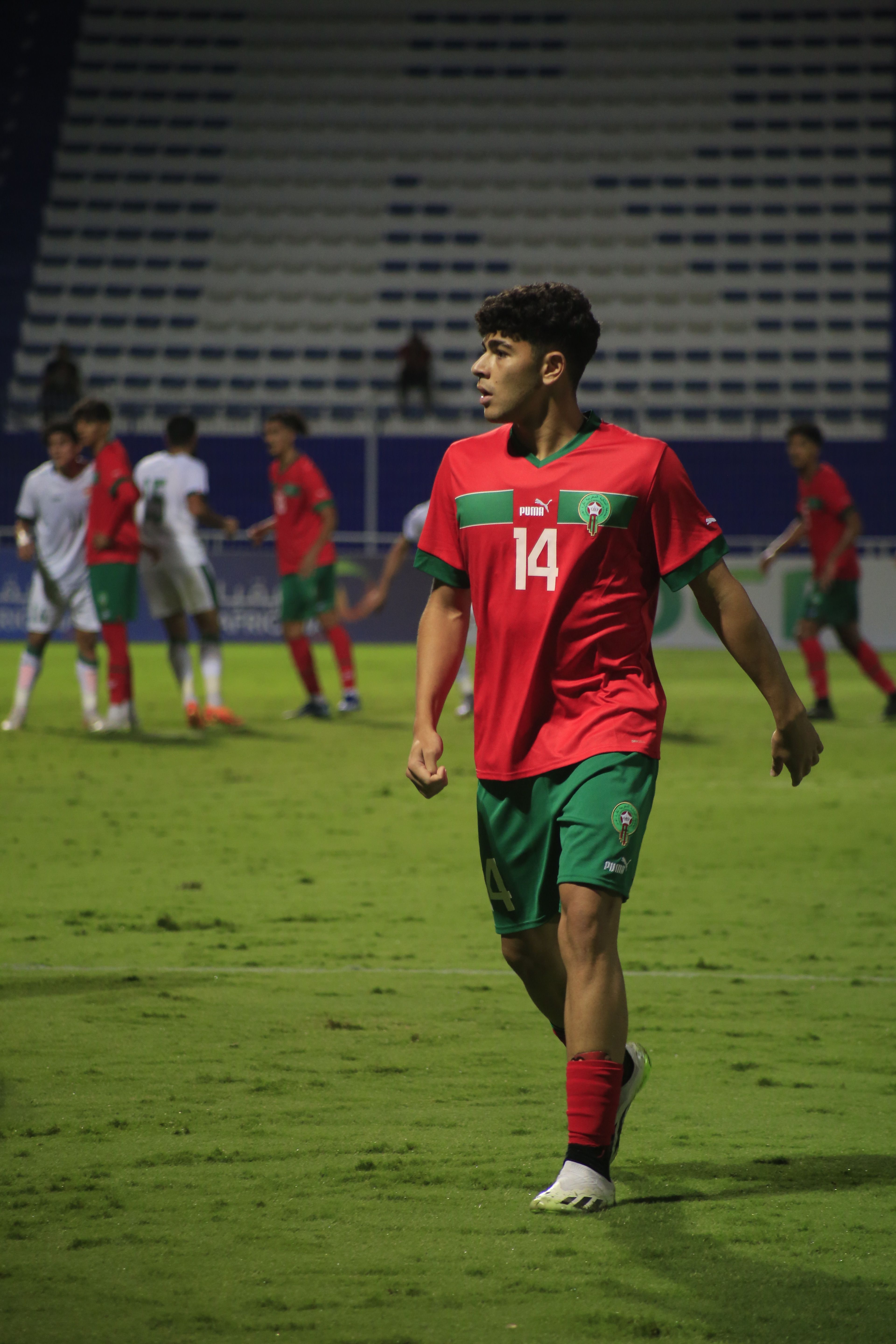
- **Players of French Birth in Morocco Squad:** Six players in the Moroccan squad were born in France: Ayyoub Bouaddi, Issa Diop, Neil El Aynaoui, Samir El Mourabet, Gessime Yassine, and Redouane Halhal. Their presence exemplifies the multicultural composition of modern football teams.
UNDERSTANDING THE LOCATION
The FIFA World Cup 2026 is being hosted across multiple venues in the United States, Canada, and Mexico. Specific match venues are selected by FIFA based on infrastructure, capacity, and logistical considerations. These host nations represent North America, providing a central stage for global football.
BACKGROUND AND CONTEXT
The World Cup has always been a platform where national pride and global interconnectedness converge. In recent decades, increased player mobility, dual nationality laws, and sophisticated scouting networks have led to national teams reflecting a wider array of origins. France has historically benefited from this, building successful squads with players of immigrant heritage. Morocco's current success, bolstered by French-born talent, is a contemporary example of this phenomenon, demonstrating how nations can leverage diasporic connections.
EXPLAINING IMPORTANT REFERENCES
- **FIFA World Cup:** The premier international association football competition contested by the senior men's national teams of the members of the Fédération Internationale de Football Association (FIFA), the sport's global governing body. The tournament has been held every four years since the inaugural tournament in 1930, except in 1942 and 1946 when it was not held because of the Second World War.
- **Quarter-final:** The stage of a knockout tournament where eight competitors remain. The winners advance to the semi-finals, while the losers are eliminated.
- **Bracketology:** In the context of a tournament like the World Cup, this refers to the study or analysis of the tournament's progression, including potential matchups and pathways to the final based on seeding and results.
- **Golden Boot:** An annual award presented to the player who has scored the most goals in a particular league or competition. In the World Cup, it's awarded to the top goalscorer of the tournament.
- **4pm EDT/9pm BST/6am AEST:** These are different local times for the match kick-off, catering to audiences in Eastern Daylight Time (North America), British Summer Time (United Kingdom), and Australian Eastern Standard Time (Australia).
IMPACT ANALYSIS
The multicultural nature of teams like Morocco's in the 2026 World Cup has significant implications. It showcases the benefits of embracing diversity, potentially inspiring other nations to adopt similar scouting and player development strategies. For the fans, it adds layers of narrative and connection, as individuals with shared heritage can rally behind different national teams. It also prompts discussions about national identity and what it means to represent a country in the modern era.
WHAT HAPPENS NEXT
The winner of the France vs. Morocco quarter-final match will advance to the semi-finals of the FIFA World Cup 2026, continuing their quest for the championship title. The outcome will further shape the tournament's narrative and the eventual winner. Regardless of the result, the match will be remembered for its representation of global football talent.
HERO PERSPECTIVE
Leverage On Heroes Media views this France-Morocco World Cup clash not just as a sporting event, but as a powerful metaphor for globalization and the evolving nature of national identity in the 21st century. We champion the idea that talent knows no borders and that diverse backgrounds enrich not only sports teams but also societies. Our editorial stance is one of celebrating this cosmopolitanism and recognizing that the modern world is built on the contributions of people from all corners of the globe.
CLOSING
As the whistle blows, the focus will be on the pitch, but the subtext of global connection and diverse talent will undoubtedly resonate, making this World Cup quarter-final a landmark moment in football history.