
HEADLINE
McLaren Responds to Oscar Piastri's Hungarian Grand Prix Upgrade Frustration
OPENING HOOK
Formula One weekends move at a dizzying pace, where losing a single practice session can turn an entire Grand Prix weekend into an uphill battle for a driver chasing podium finishes.
WHAT HAPPENED
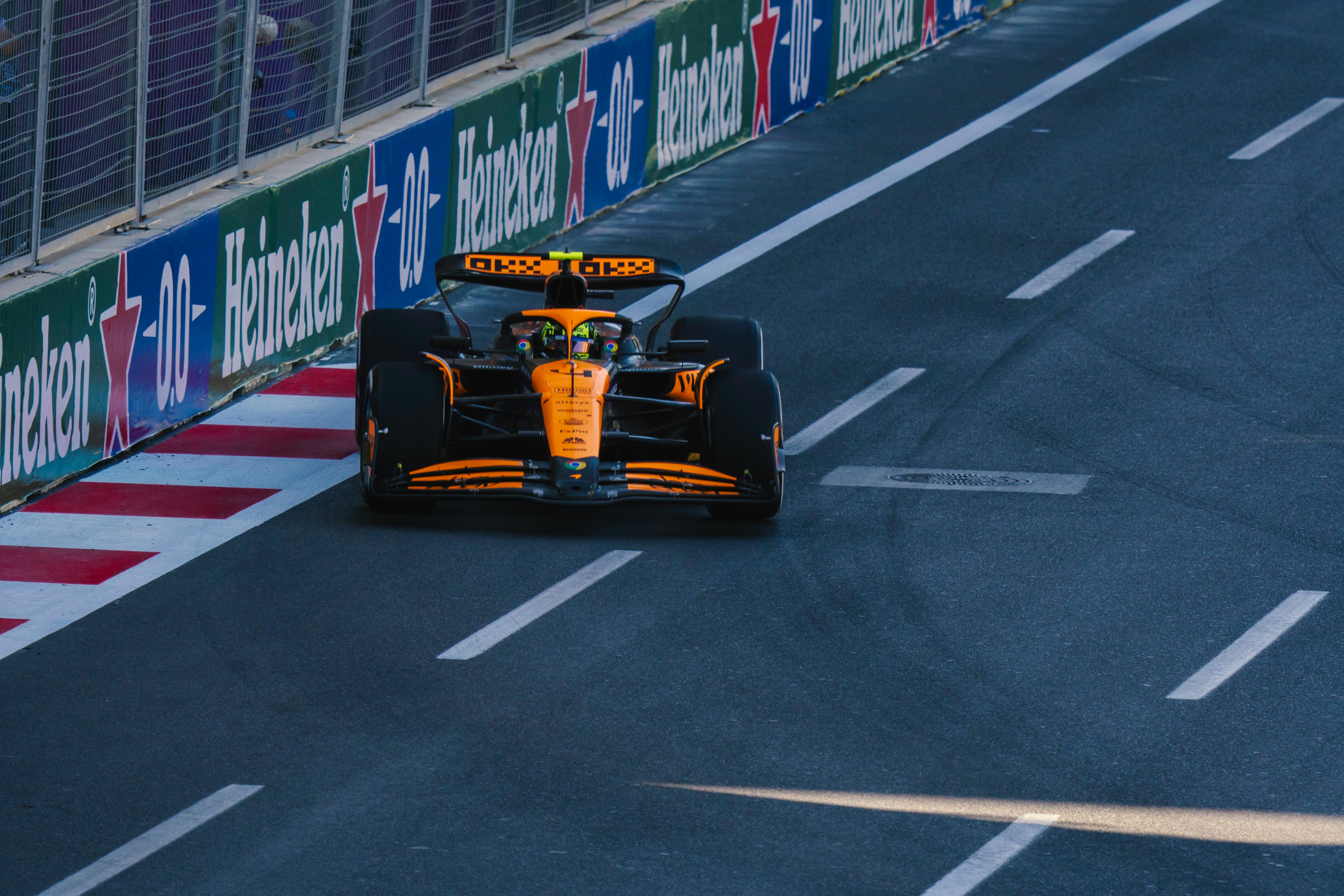
McLaren team principal Andrea Stella has addressed comments from driver Oscar Piastri regarding a challenging weekend at the Hungarian Grand Prix, where the Australian driver described his car configuration as "not ideal." Piastri spent the opening practice session, known as Free Practice 1 or FP1, watching from the pit wall as rookie driver Leonardo Fornaroli took over his MCL38 race car. Furthermore, during the second practice session, team-mate Lando Norris tested a newly developed floor upgrade, while Piastri remained on the older car specification to provide comparative data for engineers. This staggered approach meant Piastri only received the new floor components on Saturday, putting him on the back foot compared to his garage neighbour for the remainder of the event.
WHO ARE THE KEY PLAYERS
Oscar Piastri is the talented young Australian racing driver competing for the McLaren Formula One team. Andrea Stella serves as the team principal of McLaren, overseeing the technical and operational strategy of the historic British racing outfit. Lando Norris is Piastri's British team-mate and fellow title contender within the squad. Leonardo Fornaroli is a rising motorsport rookie who stepped into Piastri's cockpit during the Friday practice session in Budapest.
UNDERSTANDING THE LOCATION
This sporting drama unfolded at the Hungaroring circuit located in Mogyoród, near Budapest, the capital city of Hungary. The circuit is renowned for being tight, twisty, and notoriously difficult for overtaking, meaning that starting a Grand Prix weekend with maximum practice time and a well-balanced car is absolutely critical for setting competitive lap times.
BACKGROUND AND CONTEXT
In modern Formula One racing, teams frequently bring aerodynamic upgrades—such as new floor designs that control airflow underneath the car to generate downforce and cornering grip—to help them secure faster lap times. Because practice sessions are strictly limited by sporting regulations, teams often split upgrade packages across their two cars during Friday sessions to gather real-world data and verify that wind tunnel predictions match actual track performance.
EXPLAINING IMPORTANT REFERENCES
Free Practice 1, or FP1, refers to the first 60-minute practice session held on a Grand Prix weekend, allowing teams to test setups and familiarise drivers with the track. In Formula One, teams are required by governing body rules to run young, inexperienced drivers in a set number of practice sessions during a season, which explains why Piastri had to step aside for rookie Leonardo Fornaroli in Budapest.
IMPACT ANALYSIS
Staggered testing and missed practice time can disrupt a driver's rhythm, confidence, and data collection, making it difficult to find the ideal mechanical balance before the high-stakes qualifying sessions begin. For a team locked in a fierce constructors' championship battle, balancing the immediate needs of an individual driver against the long-term development data required by engineers is a delicate operational tightrope.
WHAT HAPPENS NEXT
As the Formula One season progresses, McLaren will evaluate how it manages practice allocations and upgrade rollouts to ensure both drivers have equal opportunity to maximize their machinery during Friday running. Engineers will analyze the telemetry data gathered in Hungary to refine the floor specification for upcoming races on the global calendar.
HERO PERSPECTIVE
McLaren team boss Andrea Stella noted that Oscar Piastri sitting out FP1 for rookie Leonardo Fornaroli had a more substantial impact on the driver's weekend than delaying the new floor specification until Saturday. Managing rookie mandatory practice slots alongside urgent aerodynamic development remains one of the trickiest logistical balancing acts for modern Formula One constructors.
CLOSING
Ultimately, the fine margins in elite motorsport mean that every minute of track time and every single aerodynamic component can spell the difference between victory and playing catch-up in a fiercely competitive field.