
HEADLINE
Does Charging Your Phone in Your Car Waste Gas?
OPENING HOOK
Every morning across the country, millions of commuters plug their smartphones into dashboard USB ports to stay connected on the go, rarely wondering if that simple convenience is quietly burning through their hard-earned fuel.
WHAT HAPPENED
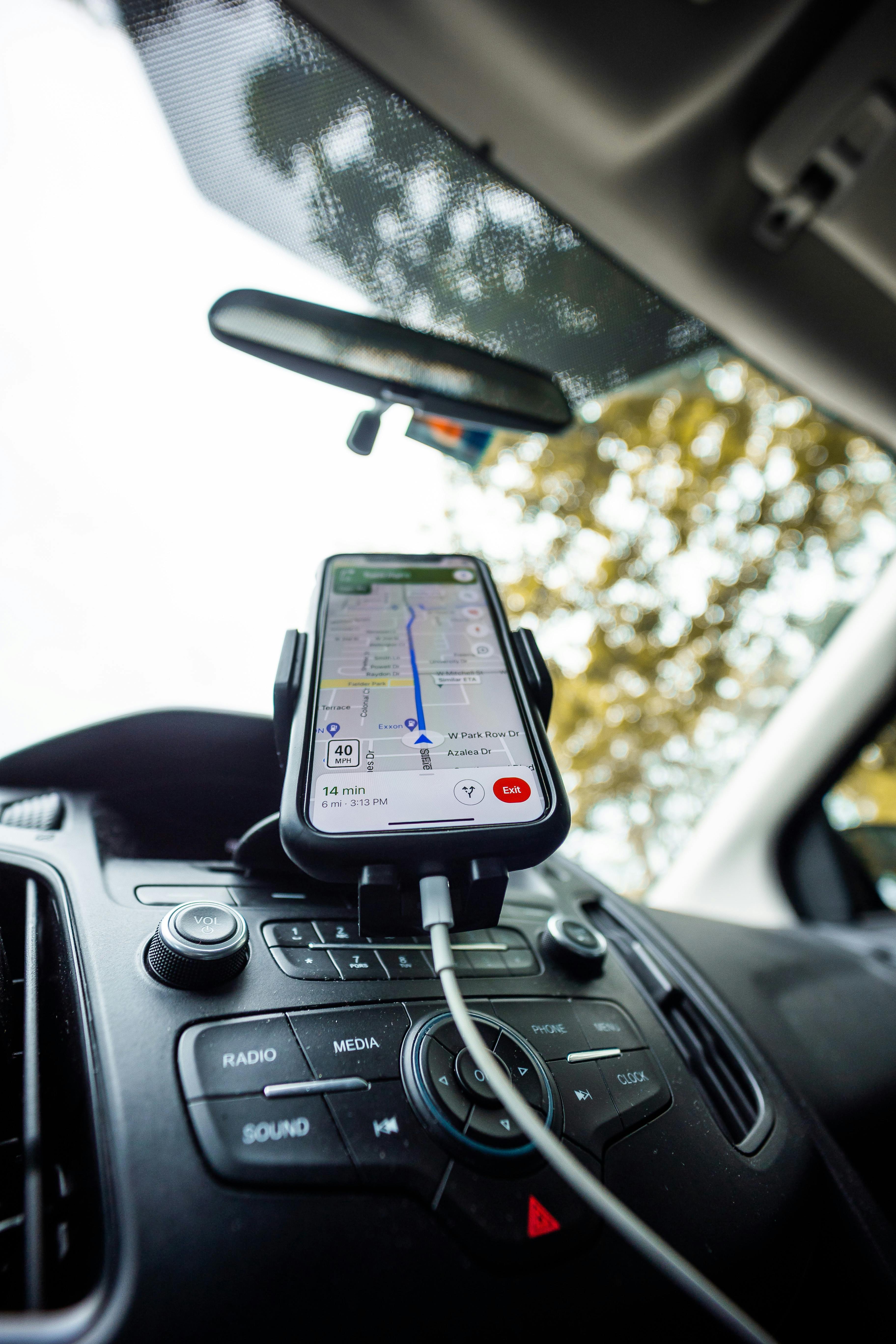
Recent automotive and consumer tech analyses have revisited a common driver's dilemma: whether drawing electrical power from a vehicle's engine to charge a mobile device significantly increases fuel consumption, concluding that while energy is technically used, the impact is virtually negligible.
WHO ARE THE KEY PLAYERS
Automotive engineers, consumer electronics manufacturers, and everyday motorists form the core of this discussion, balancing battery conservation against mechanical efficiency.
UNDERSTANDING THE LOCATION
This everyday phenomenon occurs inside vehicles on roads and highways globally, from bustling commercial transport routes in major urban centers to quiet rural commutes.
BACKGROUND AND CONTEXT
Modern vehicles rely on an alternator driven by the internal combustion engine to generate electricity, which powers everything from headlights and air conditioning to dashboard USB ports. Historically, running extra electrical accessories placed a noticeable load on older engines, but modern automotive engineering has vastly optimized these systems.
EXPLAINING IMPORTANT REFERENCES
An alternator is the device in a vehicle that converts mechanical energy from the engine into electrical energy to run the car's electrical system and recharge the battery while driving. Premium Motor Spirit (PMS), commonly known as petrol, powers these combustion engines.
IMPACT ANALYSIS
For the average motorist navigating daily traffic, the micro-fraction of fuel used to charge a smartphone amounts to an imperceptible cost—far less than the price of a single bottled drink over the course of a year. It poses no strain on the family budget or vehicle longevity.
WHAT HAPPENS NEXT
As vehicles transition toward hybrid and electric models, the power source for cabin electronics shifts from traditional alternators to large traction battery packs, rendering the question of gasoline consumption entirely obsolete for newer fleets.
HERO PERSPECTIVE
Leverage On Heroes Media takes a pragmatic, consumer-first editorial angle here, cutting through urban myths to help everyday citizens focus on genuine cost-saving measures rather than trivial worries.
CLOSING
Drivers can continue powering their devices on the road with total peace of mind, knowing their fuel gauge is reacting to traffic and engine efficiency, not their smartphone battery.