
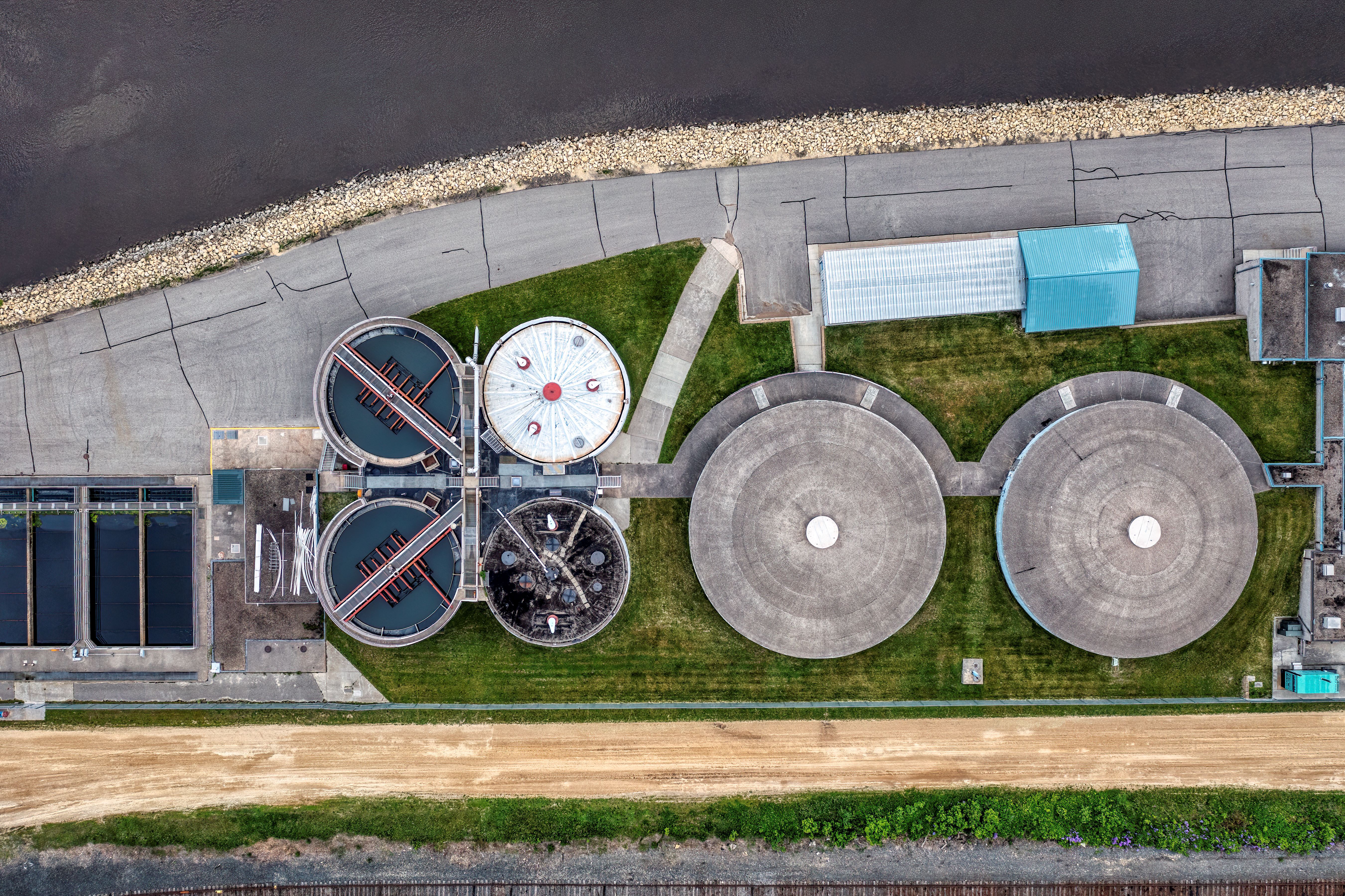
HEADLINE
FBI Issues Urgent Warning After Cyberattacks Strike Water Facilities Across Seven US States
OPENING HOOK
When malicious code bypasses digital defenses at a municipal water plant, the threat shifts rapidly from an abstract computer glitch to a very real hazard affecting everyday taps and hydrants.
WHAT HAPPENED
The Federal Bureau of Investigation has issued a formal security warning to critical infrastructure operators after water treatment facilities located in seven separate states reported unauthorized cyber intrusions. Federal investigators, working alongside state and local authorities, are probing how threat actors managed to breach the digital controls of municipal water systems. While specific details regarding service disruptions or ransom demands remain restricted due to the ongoing investigation, security officials confirmed that operational technology networks were compromised.
WHO ARE THE KEY PLAYERS
The primary federal agency leading the digital forensic investigation is the Federal Bureau of Investigation, the principal domestic intelligence and law enforcement arm of the United States federal government. State-level emergency management agencies, municipal water board operators, and cybersecurity specialists are also coordinating closely with federal investigators to isolate affected networks and prevent further unauthorized access.
UNDERSTANDING THE LOCATION
The security breaches span seven distinct states across the United States, highlighting the sprawling and decentralized nature of American municipal utilities. Unlike centralized national networks, local water treatment plants are often operated by independent city or regional authorities with varying levels of dedicated cybersecurity funding and technical staffing, making individual facilities attractive targets for opportunistic hackers.
BACKGROUND AND CONTEXT
Critical infrastructure sectors—including water treatment, electric grids, and transportation networks—have increasingly become prime targets for both state-sponsored hacking syndicates and financially motivated cybercriminal groups. In recent years, federal regulatory bodies have attempted to mandate stricter baseline cybersecurity standards for municipal utilities, though resource constraints and aging digital architecture continue to leave many local facilities vulnerable to exploitation.
EXPLAINING IMPORTANT REFERENCES
In cybersecurity terminology, operational technology refers to hardware and software systems that monitor and control physical devices, such as industrial valves, pumps, and chemical dosing equipment at a water treatment plant. When hackers breach these systems, they potentially gain the ability to manipulate physical processes, unlike standard corporate computer networks where the damage is typically restricted to stolen data.
IMPACT ANALYSIS
These coordinated intrusions underscore the urgent need for enhanced digital defenses within municipal utility sectors, where a successful breach can disrupt clean drinking water supplies and firefighting capabilities for millions of residents. Beyond immediate operational risks, these incidents are likely to trigger renewed legislative pressure from federal lawmakers for mandatory cybersecurity compliance rules and increased government funding for local infrastructure upgrades.
WHAT HAPPENS NEXT
Federal investigators will continue analyzing forensic data recovered from the compromised systems to identify the perpetrators and determine their ultimate objectives. Meanwhile, municipal water authorities nationwide are expected to conduct emergency security audits, disconnect vulnerable remote-access portals, and implement multi-factor authentication across all industrial control networks.
HERO PERSPECTIVE
Federal warnings regarding cyber intrusions across seven state jurisdictions emphasize the urgent necessity of isolating industrial control systems from standard corporate networks. The ongoing FBI investigation into these municipal water plant breaches demonstrates that digital threats to critical infrastructure require immediate, enforceable compliance standards rather than voluntary guidelines.
CLOSING
As federal and local agencies work to secure vulnerable municipal networks, the latest cyber incidents serve as a stark reminder that safeguarding public utilities requires continuous vigilance and robust technological investment.