
HEADLINE
Global Outage Hits OpenAI as ChatGPT Connectivity Collapses Worldwide
OPENING HOOK
In an era where artificial intelligence has seamlessly integrated into daily business operations, software engineering, and digital workflows, a sudden system failure at OpenAI has disrupted millions of users globally.
WHAT HAPPENED
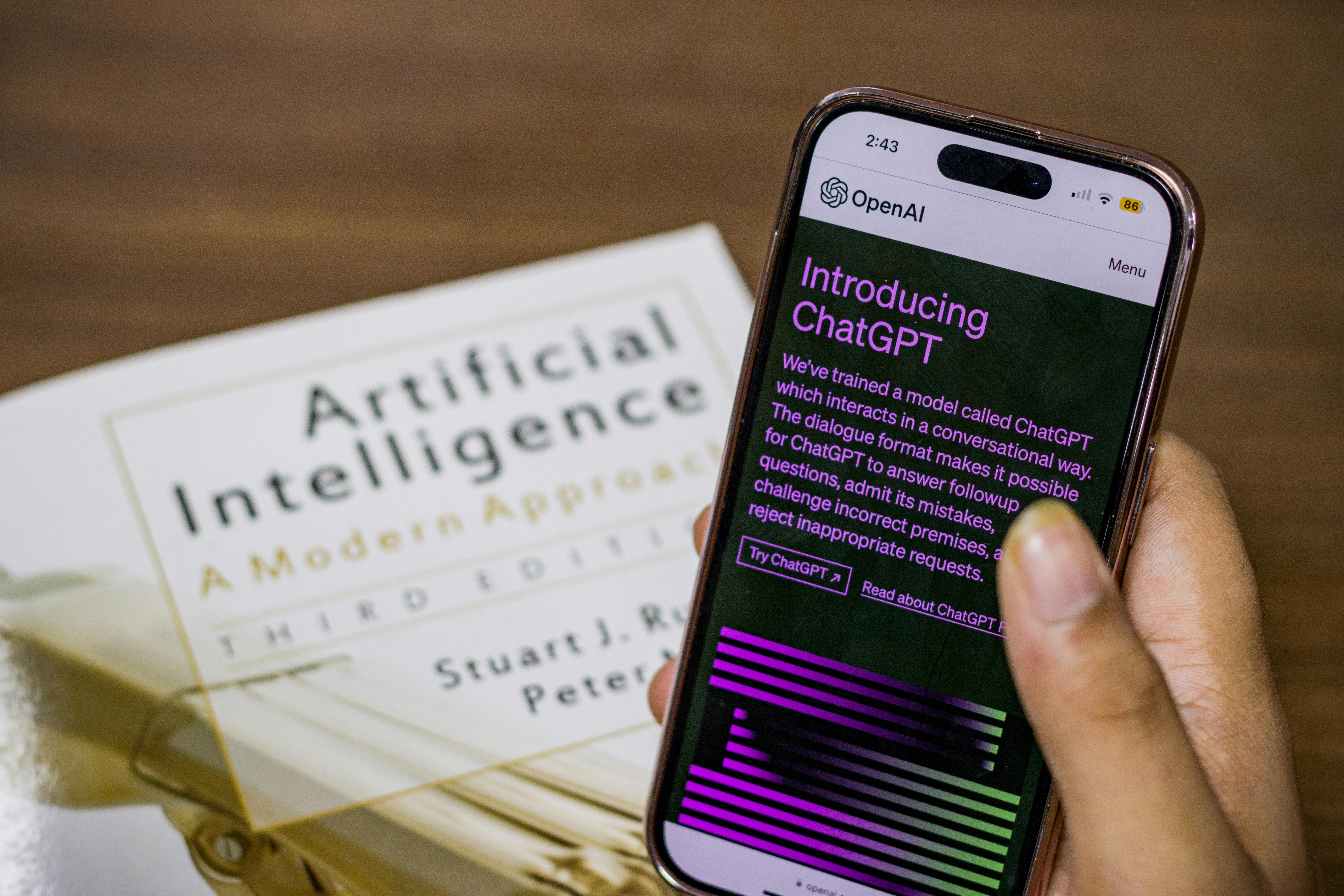
OpenAI officially confirmed on its operational status dashboard that ChatGPT is experiencing a major global disruption, rendering the artificial intelligence chatbot inaccessible to users worldwide. The service outage began with widespread reportings of high error rates, failed query responses, and network connection drops across both web interface and mobile applications. Enterprise services and Application Programming Interfaces (APIs) built on OpenAI's infrastructure also experienced severe downtime, stopping dependent third-party platforms from generating automated text and processing workflow requests.
WHO ARE THE KEY PLAYERS
The primary organization involved is OpenAI, the artificial intelligence research lab and commercial provider behind ChatGPT, led by Chief Executive Officer Sam Altman. Key impacted entities include enterprise customers who rely on OpenAI API integrations for customer support and automated code generation, independent software developers, and global internet infrastructure providers like Cloudflare, which assist in routing and managing high-volume web traffic for large digital services.
UNDERSTANDING THE LOCATION
While the physical infrastructure supporting ChatGPT is housed across high-capacity cloud data centers primarily situated in the United States, the footprint of this outage is global. From tech hubs in North America and Europe to emerging digital markets across Africa, including Lagos and Nairobi, users attempting to access the platform were met with timeout errors and server failure messages, demonstrating the international reach of modern cloud-hosted artificial intelligence services.
BACKGROUND AND CONTEXT
Launched publicly in November 2022, ChatGPT grew to become one of the fastest-adopted consumer applications in history, reaching over 100 million active weekly users within months. As reliance on generative AI tools expanded across financial services, academic research, and tech startups, system reliability became a critical operational requirement. Similar scale disruptions previously occurred during major model upgrades, such as the deployment of GPT-4, when server traffic surged beyond allocated network capacity.
EXPLAINING IMPORTANT REFERENCES
To understand the operational impact, key technical elements must be broken down: - Generative AI Chatbot: A software system trained on vast textual data that can generate human-like conversations and perform complex tasks. - API (Application Programming Interface): A set of rules that allows external software applications to communicate directly with OpenAI's infrastructure. When the API fails, third-party apps integrated with ChatGPT stop working instantly. - Server Timeout: An internal system signal indicating that a server took too long to answer a web request, often caused by heavy traffic or hardware infrastructure failure.
IMPACT ANALYSIS
The outage highlights the vulnerabilities inherent in centralized technological ecosystems where millions of global enterprises depend on a single software provider. For remote workers, software engineers using AI coding assistants, and automated customer service platforms, the disruption caused immediate productivity losses. In emerging markets like Nigeria, where freelancers and technology agencies increasingly leverage AI tools to equalize international delivery standards, service interruptions translate directly into delayed client deliverables and reduced economic output.
WHAT HAPPENS NEXT
OpenAI engineering teams are actively deploying hotfixes and routing traffic through secondary server networks to stabilize core systems. Users can expect gradual restoration of services, beginning with basic text interactions before complex API endpoints and web browsing plugins are fully restored. OpenAI is anticipated to publish an incident post-mortem detailing the root cause of the system failure within 48 hours.
HERO PERSPECTIVE
When OpenAI's status monitoring recorded elevated error rates exceeding critical thresholds across both web clients and API endpoints, the outage immediately highlighted the fragility of hyper-centralized technology infrastructure. Organizations depending on a single AI platform for real-time customer support or automated software development were exposed to immediate service freezes. Establishing multi-model redundancy and offline contingency systems is no longer an option for digital enterprises—it is an operational necessity.
CLOSING
As ChatGPT gradually recovers full functionality, this global service disruption serves as a stark reminder of the global economy's growing dependency on centralized artificial intelligence infrastructure.