
HEADLINE
McLaren Revives Legendary M6GT, Its First Road Car, A Nod to Founding Vision
OPENING HOOK
In the high-stakes world of automotive engineering, where innovation often overshadows heritage, one iconic British manufacturer has turned back the clock, meticulously resurrecting a piece of its foundational history, offering a profound glimpse into its pioneering spirit.
WHAT HAPPENED
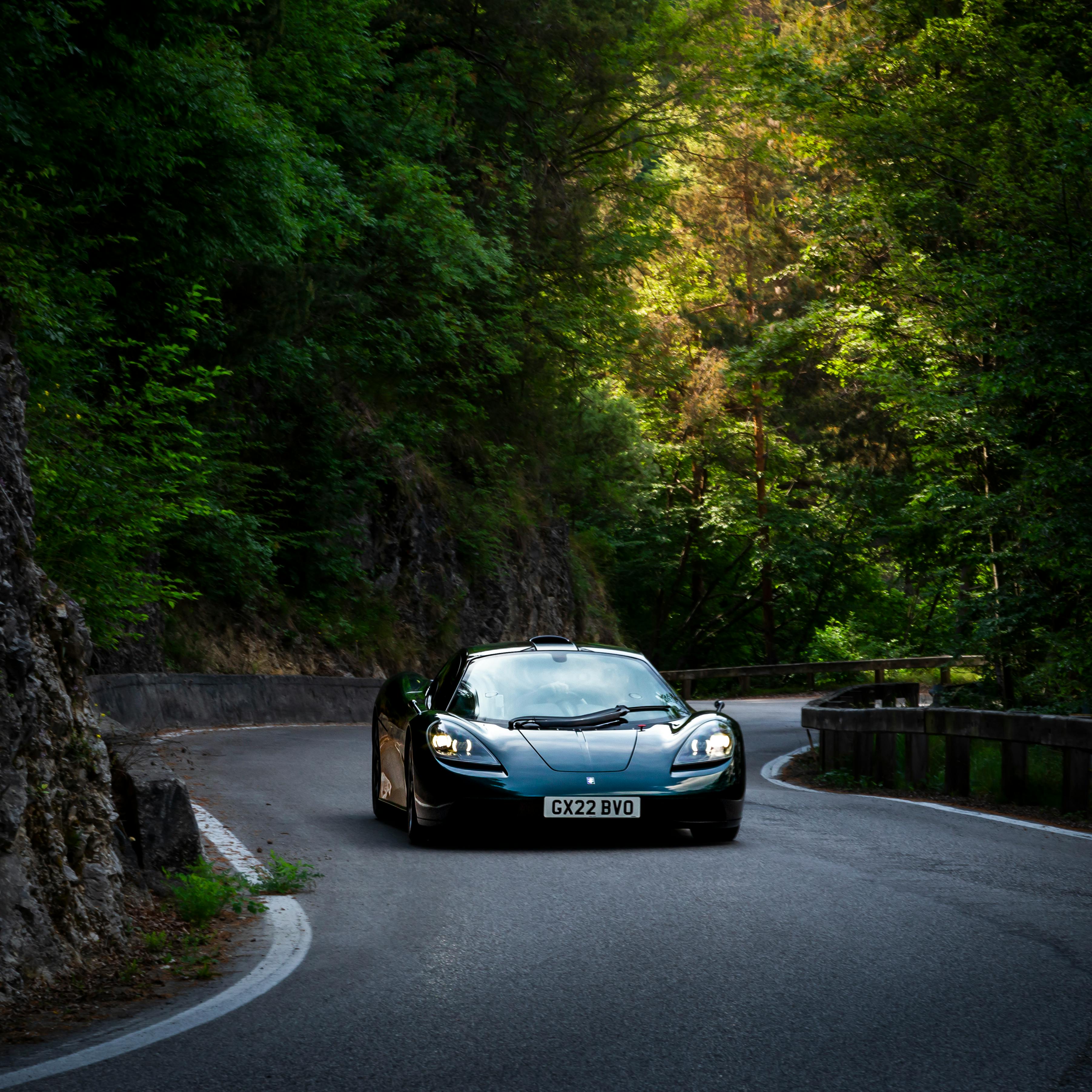
McLaren, the renowned British automotive company, has recently completed the painstaking rebuild of its very first road car, the M6GT, utilizing the original manufacturing molds. This ambitious project serves as a profound tribute to the company's nascent ambitions in the late 1960s, predating even its legendary F1 supercar.
WHO ARE THE KEY PLAYERS
- **McLaren:** A globally recognized British automotive manufacturer based in Woking, Surrey, England. Founded in 1963, McLaren is celebrated for its highly successful Formula One racing team and its production of high-performance luxury sports cars and supercars, known for their advanced engineering and speed.
- **Bruce McLaren:** The visionary New Zealand-born racing driver, engineer, and founder of the McLaren racing team. His dream was not only to dominate motorsport but also to build a road car that could also excel in endurance racing, a dream passionately embodied by the M6GT. He tragically died during testing in 1970, cutting short the M6GT's initial production run.
UNDERSTANDING THE LOCATION
- **Woking, Surrey, United Kingdom:** This town in the south-east of England is the home of the McLaren Technology Centre. This futuristic campus is where McLaren's high-performance vehicles are designed, engineered, and manufactured. It stands as a global hub of advanced automotive innovation and a testament to British engineering excellence.
BACKGROUND AND CONTEXT
The M6GT was conceived in the late 1960s, a period when McLaren was already a formidable force in motorsport, particularly in the Canadian-American Challenge Cup (Can-Am) racing series. Bruce McLaren envisioned a road-legal endurance racer, a car that could compete at prestigious events like the 24 Hours of Le Mans while also being driven on public roads. Only a handful were ever built before his untimely death, making it a rare and almost mythical car in McLaren's history. It served as a crucial, albeit largely unknown, conceptual predecessor to the F1, which would later define the brand's road car legacy decades later.
EXPLAINING IMPORTANT REFERENCES
- **M6GT:** This was McLaren's ambitious attempt in the late 1960s to create a road-legal racing car. Based on their highly successful M6A Can-Am racer, it was designed to be fast, lightweight, and capable of competing in top-tier endurance events while still being driven on public roads. Its production was severely limited after only a few units due to Bruce McLaren's death and evolving racing regulations.
- **F1:** The McLaren F1, launched in 1992, is widely regarded as one of the greatest supercars ever built. For many years, it held the title of the world's fastest production car and is celebrated for its advanced engineering, its lightweight carbon fibre monocoque chassis, and its unique central driving position. It solidified McLaren's reputation as a maker of extreme, high-performance road cars, building upon the foundational ideas of the M6GT.
- **Original Molds:** In manufacturing, molds are precision-made forms or templates used to shape raw materials (such as fibreglass or carbon fibre) into specific components. Using the 'original molds' means McLaren is literally employing the exact same 'cookie cutters' or patterns that shaped the bodywork and components of the first M6GTs. This ensures the new build is dimensionally identical and faithful to Bruce McLaren's initial design and vision.
IMPACT ANALYSIS
This meticulous rebuild project is more than just restoring an old car; it's about preserving the foundational DNA of a global automotive giant. It powerfully reinforces McLaren's brand identity, showcasing its unwavering commitment to its heritage, engineering excellence, and the pioneering spirit of its founder. For automotive enthusiasts and collectors, it offers a tangible and authentic link to a pivotal, yet largely unseen, chapter of McLaren's history. Economically, such meticulously rebuilt heritage vehicles can command significant value, further enhancing the brand's prestige and market appeal.
WHAT HAPPENS NEXT
This project could inspire and pave the way for other heritage restorations within McLaren or encourage similar initiatives across the broader automotive industry, as brands increasingly seek to connect with their roots and celebrate their legacy. It also highlights the growing appreciation for classic and historically significant vehicles, which are increasingly seen as valuable assets and cultural artifacts. The M6GT, now reborn, will likely become a cornerstone of McLaren's heritage collection, making appearances at prestigious automotive events worldwide, telling its unique story to new generations.
HERO PERSPECTIVE
Leverage On Heroes Media views this extraordinary revival by McLaren as a powerful testament to the enduring vision of pioneers. It underscores the profound importance of remembering where you started, even as you push the boundaries of innovation. This project exemplifies how honouring heritage can inspire future generations and reinforce the core values that define true excellence and lasting impact.
CLOSING
As McLaren looks to the future with advancements in electric powertrains and autonomous technologies, the meticulously rebuilt M6GT stands as a poignant and powerful reminder that the spirit of daring innovation and the relentless pursuit of performance have been embedded in its DNA from day one, a legacy that continues to drive the brand forward.