
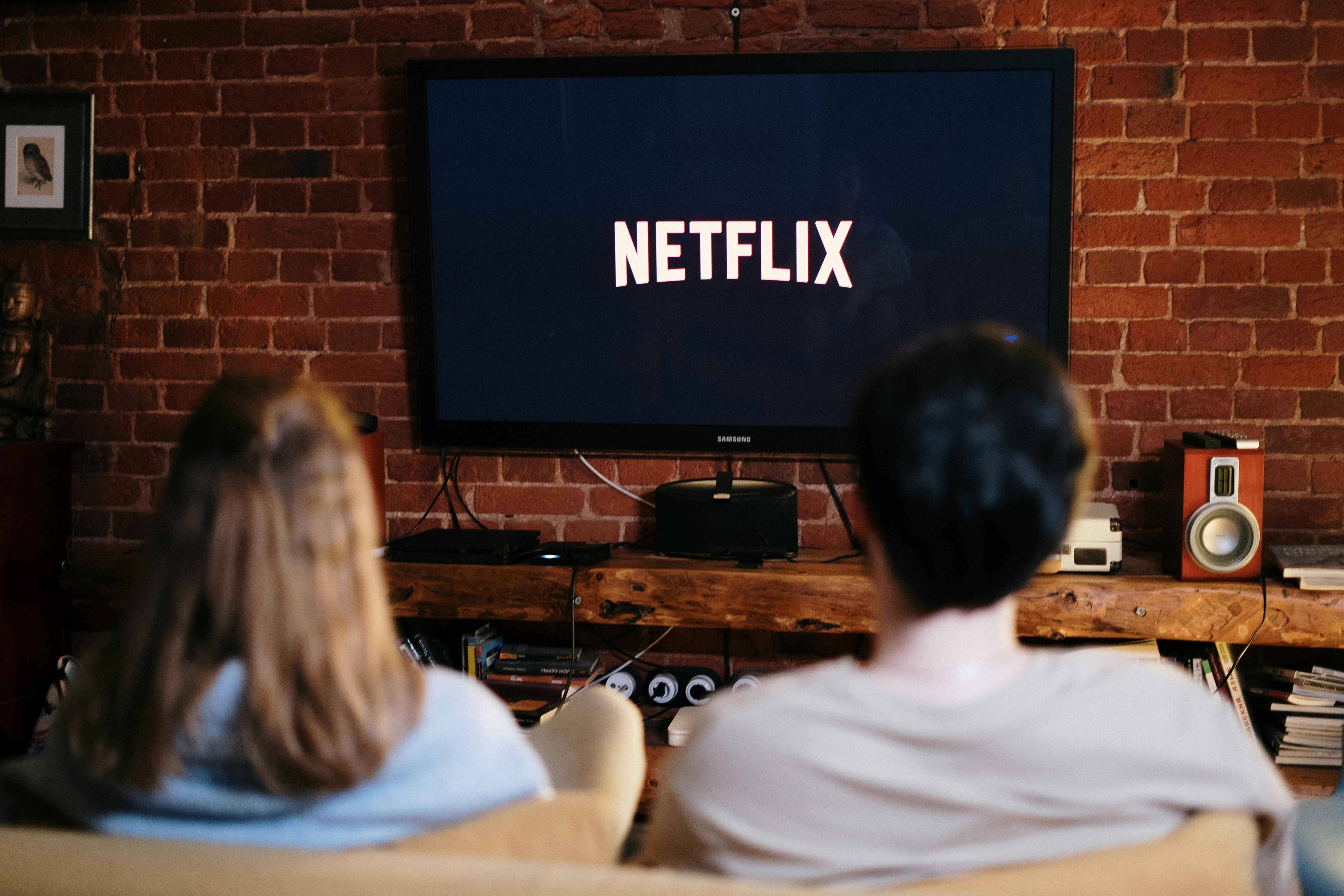
HEADLINE
Netflix Rethinks Its Core: Is Binge-Watching Losing Its Spark for Viewers?
OPENING HOOK
For years, Netflix redefined how the world consumed television, popularising the 'binge-watching' phenomenon – releasing entire seasons at once, allowing viewers to devour stories at their own pace. However, a recent industry analysis indicates that this very strategy, once a significant competitive advantage, may now be showing cracks, particularly in retaining audiences for subsequent seasons.
WHAT HAPPENED
A new report has brought to light a significant challenge for the global streaming giant, Netflix: a concerning trend where a substantial number of viewers are not returning for the second season of many of its original series. This data suggests that the 'binge-watching' model, which Netflix pioneered and perfected, might no longer be as effective in fostering long-term engagement and subscriber loyalty as it once was. The implication is that while initial viewership might be high, the sustained interest needed for multi-season commitments is waning.
WHO ARE THE KEY PLAYERS
**Netflix:** The undisputed pioneer of subscription video-on-demand (SVOD) services, headquartered in Los Gatos, California, USA. Founded in 1997, it transformed from a DVD rental service to a global streaming powerhouse, boasting hundreds of millions of subscribers worldwide. Its strategy of commissioning original content and releasing full seasons at once fundamentally changed viewing habits.
**Viewers/Subscribers:** The global audience base, including millions in Nigeria, whose evolving content consumption habits are at the heart of this discussion. Their choices and preferences dictate the success or failure of streaming strategies.
**Content Creators and Studios:** The production houses and creative teams responsible for developing and producing the original series that populate Netflix's vast library. Their work is directly impacted by changes in release strategies and audience retention metrics.
**Competing Streaming Services:** A growing array of platforms like Disney+, Amazon Prime Video, HBO Max, and Apple TV+ that have entered the market, often employing varied release strategies, including traditional weekly episodes, thus intensifying the 'streaming wars'.
UNDERSTANDING THE LOCATION
While Netflix is headquartered in the United States, its operational 'location' is truly global. It operates in over 190 countries, including Nigeria, where it has invested in local content and has a significant subscriber base. Its influence on global entertainment consumption, cultural trends, and even local creative industries is immense. The shifts in viewer behaviour discussed in this report are therefore not confined to a single geographical area but reflect a broader, worldwide trend in how digital content is consumed across diverse markets, from Lagos to London.
BACKGROUND AND CONTEXT
Netflix's meteoric rise in the 2010s was largely propelled by its audacious content strategy: investing heavily in original programming and releasing entire seasons simultaneously. This 'binge model' offered unprecedented viewer freedom, fostering a culture of rapid consumption and social media chatter around new shows. This approach differentiated Netflix significantly from traditional linear television and even early streaming competitors. However, the subsequent 'streaming wars' saw numerous well-funded players enter the market, many opting for a hybrid or traditional weekly release schedule, aiming to keep subscribers engaged longer and reduce churn. This increased competition, coupled with an explosion of content choices, has fragmented audience attention, making sustained engagement a greater challenge for all platforms.
EXPLAINING IMPORTANT REFERENCES
**Binge-Watching:** This technical term refers to the practice of watching multiple episodes of a television program in rapid succession, typically an entire season or series, rather than waiting for weekly releases. Netflix popularised this method, allowing viewers to control their pace of consumption.
**Streaming Wars:** This refers to the intense competition among various media companies and tech giants, each vying for market share in the subscription video-on-demand (SVOD) industry. Players like Netflix, Disney+, Amazon Prime Video, and HBO Max are constantly investing in original content and innovative strategies to attract and retain subscribers, leading to a dynamic and often aggressive marketplace.
**Season 2 Retention:** This is a crucial metric in the streaming industry, measuring the percentage of viewers who watched the first season of a show and then returned to watch its second season. A high retention rate indicates strong audience engagement and satisfaction, while a low rate signals potential issues with the show's appeal or the platform's strategy.
IMPACT ANALYSIS
This reported decline in Season 2 retention has several potential implications. For Netflix, it could necessitate a strategic re-evaluation of its content commissioning and release schedules. Moving away from a pure binge model, perhaps towards a hybrid approach with staggered releases for some flagship titles, could be considered to maintain longer subscriber engagement and reduce churn. This shift would also impact content creators, potentially favouring shows with stronger episodic hooks over those designed for continuous flow. For viewers, it might mean a gradual return to the anticipation of weekly episodes, mirroring traditional broadcast television, but with the added convenience of on-demand access. The broader industry might see competitors, who have already adopted varied release strategies, validate their approaches, further diversifying the streaming landscape.
WHAT HAPPENS NEXT
In response to these evolving viewer habits, Netflix is likely to explore diverse content strategies. This could include experimenting with staggered release schedules for certain high-profile series, similar to what competitors like Disney+ have successfully implemented. There might also be an increased focus on developing more compelling narratives that sustain interest across multiple seasons, perhaps by greenlighting fewer, but higher-quality, productions. Furthermore, Netflix could invest more in interactive content or different formats to keep subscribers engaged beyond traditional series. The coming months will likely reveal how the streaming giant adapts its production and distribution pipeline to address these retention challenges and maintain its competitive edge.
HERO PERSPECTIVE
Leverage On Heroes Media views this development as a critical juncture for the entire digital entertainment industry. It highlights the dynamic nature of consumer behaviour and the perpetual need for innovation, even from market leaders. The 'hero' in this narrative is the discerning viewer whose evolving preferences are continually shaping the future of media consumption. For companies like Netflix, the challenge is to not just create content, but to understand the intricate psychology of engagement and adapt swiftly in a fiercely competitive landscape. This is a story about the constant quest for relevance in the digital age.
CLOSING
The reported shift in viewer retention signals a potential maturation of the streaming market and a recalibration of what constitutes a successful content strategy. As Netflix navigates this new terrain, its ability to innovate beyond its foundational binge-watching model will be crucial in defining its future trajectory and continuing to shape the global entertainment landscape.