
HEADLINE
Ukrainian Drones Strike St. Petersburg Oil Terminal and Port Infrastructure, Escalating Conflict
OPENING HOOK
A significant drone assault has targeted critical Russian energy and logistics infrastructure in the St. Petersburg region, marking a notable escalation in Ukraine's ongoing conflict with Russia.
WHAT HAPPENED
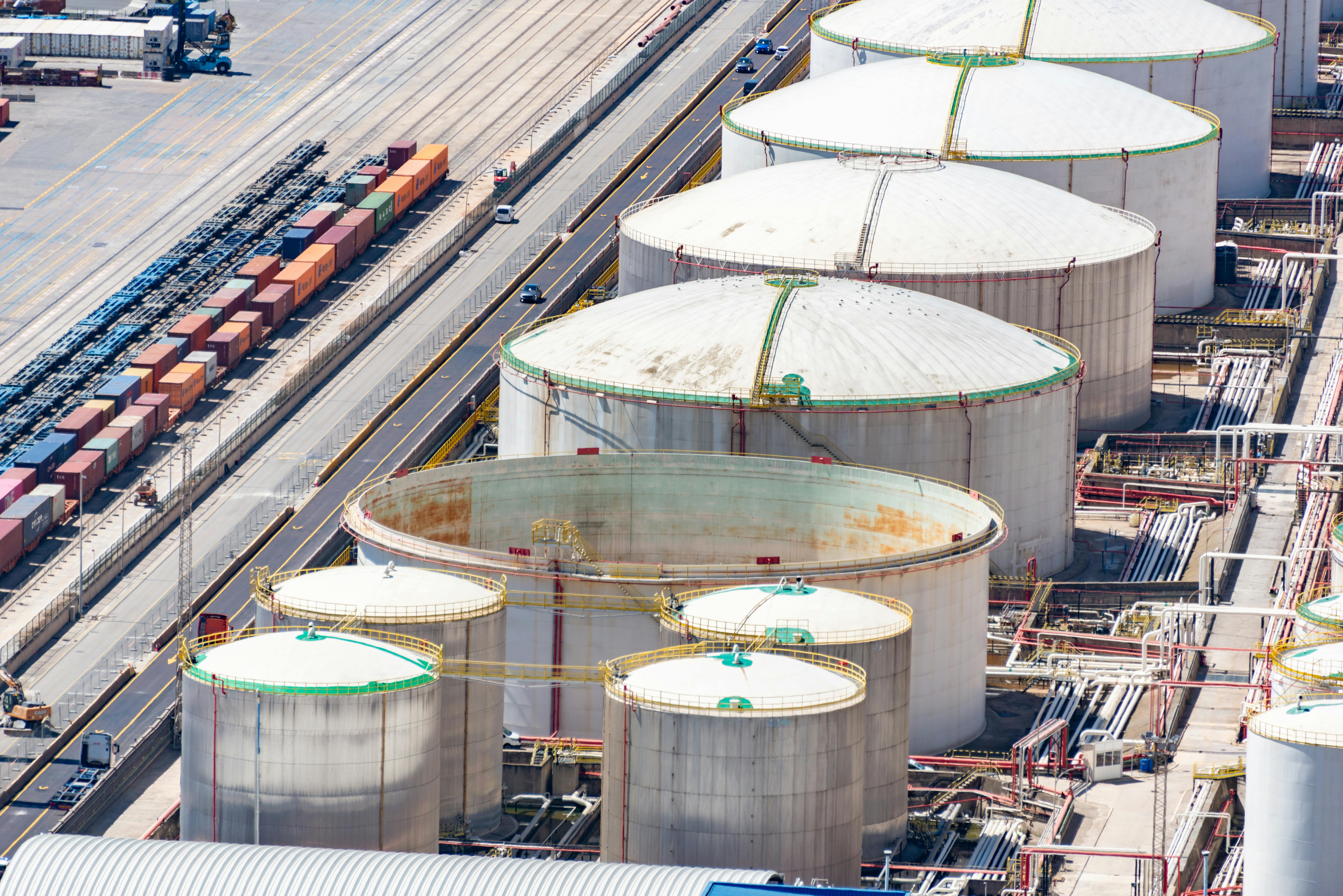
Ukrainian unmanned aerial vehicles (UAVs), commonly known as drones, launched a large-scale overnight attack on St. Petersburg, Russia, striking the city's vital oil terminal and port facilities in the wider region, including the Baltic port of Vysotsk. St. Petersburg Governor Alexander Beglov confirmed the attack, stating there were no casualties and the aftermath had been promptly addressed.
WHO ARE THE KEY PLAYERS
- **Ukraine**: An Eastern European nation locked in a large-scale conflict with Russia since February 2022. It is employing drone technology as a strategic tool to target Russian infrastructure and military assets.
- **Russia**: The world's largest country by area, a major global energy producer, and a permanent member of the UN Security Council. It is currently engaged in a full-scale invasion of Ukraine, which it refers to as a 'special military operation'.
- **Alexander Beglov**: The current Governor of St. Petersburg, a key administrative figure responsible for the city's security, infrastructure, and public services.
UNDERSTANDING THE LOCATION
- **St. Petersburg**: Russia's second-largest city, located on the Neva River at the head of the Gulf of Finland on the Baltic Sea. Historically significant as the former imperial capital, it is a major port city, an industrial hub, and a critical gateway for Russian trade, particularly oil and gas exports. Its oil terminal is a crucial part of Russia's energy infrastructure, facilitating the export of crude oil and petroleum products.
- **Vysotsk**: A small port town located near St. Petersburg, also on the Gulf of Finland. It hosts significant port facilities, including oil and coal terminals, making it a strategic target for disrupting Russian energy exports and maritime trade.
BACKGROUND AND CONTEXT
This attack comes amidst the protracted and brutal conflict between Russia and Ukraine, which began with Russia's full-scale invasion in February 2022. Ukraine has increasingly resorted to long-range drone attacks deep within Russian territory, often targeting energy infrastructure, military facilities, and industrial complexes. These attacks are seen as a strategy to disrupt Russia's war effort, impose economic costs, and potentially diminish Russia's capacity to continue its aggression. Previous Ukrainian drone operations have targeted cities like Moscow, various Russian airfields, and other oil depots, indicating a sustained campaign to strike at Russia's strategic depth.
EXPLAINING IMPORTANT REFERENCES
- **Drone attack**: This refers to an assault carried out using Unmanned Aerial Vehicles (UAVs), which are aircraft without a human pilot on board. They can be remotely controlled or fly autonomously using pre-programmed flight plans, often equipped with cameras, sensors, or explosives. They offer a cost-effective way to project power and reach targets far behind enemy lines.
- **Oil terminal**: A facility designed for the storage, loading, and unloading of crude oil and refined petroleum products. These terminals are critical nodes in the global energy supply chain, facilitating the transportation of oil from production sites to refineries and then to consumers, often for export.
- **Port infrastructure**: This encompasses all the facilities and services necessary for the efficient operation of a port. This includes docks, piers, storage tanks, loading and unloading equipment, access roads, railways, and administrative buildings. Disrupting port infrastructure can severely impact a nation's trade, logistics capabilities, and economic activity.
IMPACT ANALYSIS
The immediate impact appears to be contained, with no reported casualties and the aftermath 'dealt with' according to Governor Beglov. However, the strategic implications are significant. Targeting St. Petersburg, a major economic and symbolic city, demonstrates Ukraine's expanding range and capability to strike deep into Russian territory. Such attacks can create psychological pressure on the Russian populace, disrupt energy exports, potentially raise insurance costs for shipping in the Baltic Sea, and strain Russia's air defense systems which must protect a vast area. While the direct economic damage from individual incidents might be limited, a sustained campaign could have a cumulative effect on Russia's oil revenues, which are vital for funding its war efforts.
WHAT HAPPENS NEXT
In the immediate aftermath, Russia is likely to bolster its air defense systems around critical infrastructure, particularly in its western regions and major port cities. Ukraine will likely continue its strategy of targeting Russian energy and military assets to degrade Moscow's war-fighting capabilities and maintain pressure on the Russian economy. The international community will closely monitor these escalations, with potential implications for global energy markets if attacks become more frequent or severe, affecting supply chains and oil prices. Diplomatic efforts for de-escalation are expected to continue, though immediate breakthroughs remain uncertain.
HERO PERSPECTIVE
Leverage On Heroes Media views this escalation through the lens of strategic vulnerability and the evolving nature of modern warfare. While the absence of casualties is a relief, the targeting of critical civilian infrastructure, even indirectly linked to military financing, highlights the broadening scope of conflict beyond the immediate front lines. Our focus remains on the imperative for international diplomacy and de-escalation, urging all parties to seek pathways to peace that protect civilian lives and infrastructure, rather than expanding the theatre of conflict and risking wider regional instability.
CLOSING
As the conflict continues to evolve, the strategic use of drone technology by Ukraine against Russian infrastructure underscores the persistent volatility and far-reaching consequences of this geopolitical struggle, demanding careful observation from a global perspective.